Connecting Climate Resilience to the Bottom Line
The time is ripe for companies to look beyond quarterly earnings and depreciation schedules, and into frameworks and strategies that will build long-term resilience.
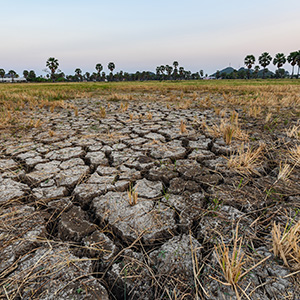
The time is ripe for companies to look beyond quarterly earnings and depreciation schedules, and into frameworks and strategies that will build long-term resilience.

To equip today’s students for the future, we need to understand the fundamental building blocks of complex skills, and apply that understanding to teaching practices and assessments.
How a revitalized sense of civic duty can go beyond resistance and make real progress.
Frugal, flexible, and inclusive “jugaad innovation” provides a compelling model for nonprofits looking for innovative solutions to significant problems.
Three strategies for ensuring the safety and security of people defending their environment and human rights around the world.


Large-scale social change requires broad cross-sector coordination, not the isolated intervention of individual organizations.

With an understanding of these 10 funding models, nonprofit leaders can use the for-profit world's valuable practice of engaging in succinct and clear conversations about long-term financial strategy.

Professionalism has become coded language for white favoritism in workplace practices that more often than not leave behind people of color. This is the fourth of 10 articles in a special series about diversity, equity, and inclusion.

By working closely with the clients and consumers, design thinking allows high-impact solutions to social problems to bubble up from below rather than being imposed from the top.

Five principles based in social science that will help organizations connect their work to what people care most about.