Catching the Wave
How a powerful communications strategy helped the Surfrider Foundation and a coalition of other organizations mobilize a local grassroots effort and save a rare natural resource.

How a powerful communications strategy helped the Surfrider Foundation and a coalition of other organizations mobilize a local grassroots effort and save a rare natural resource.
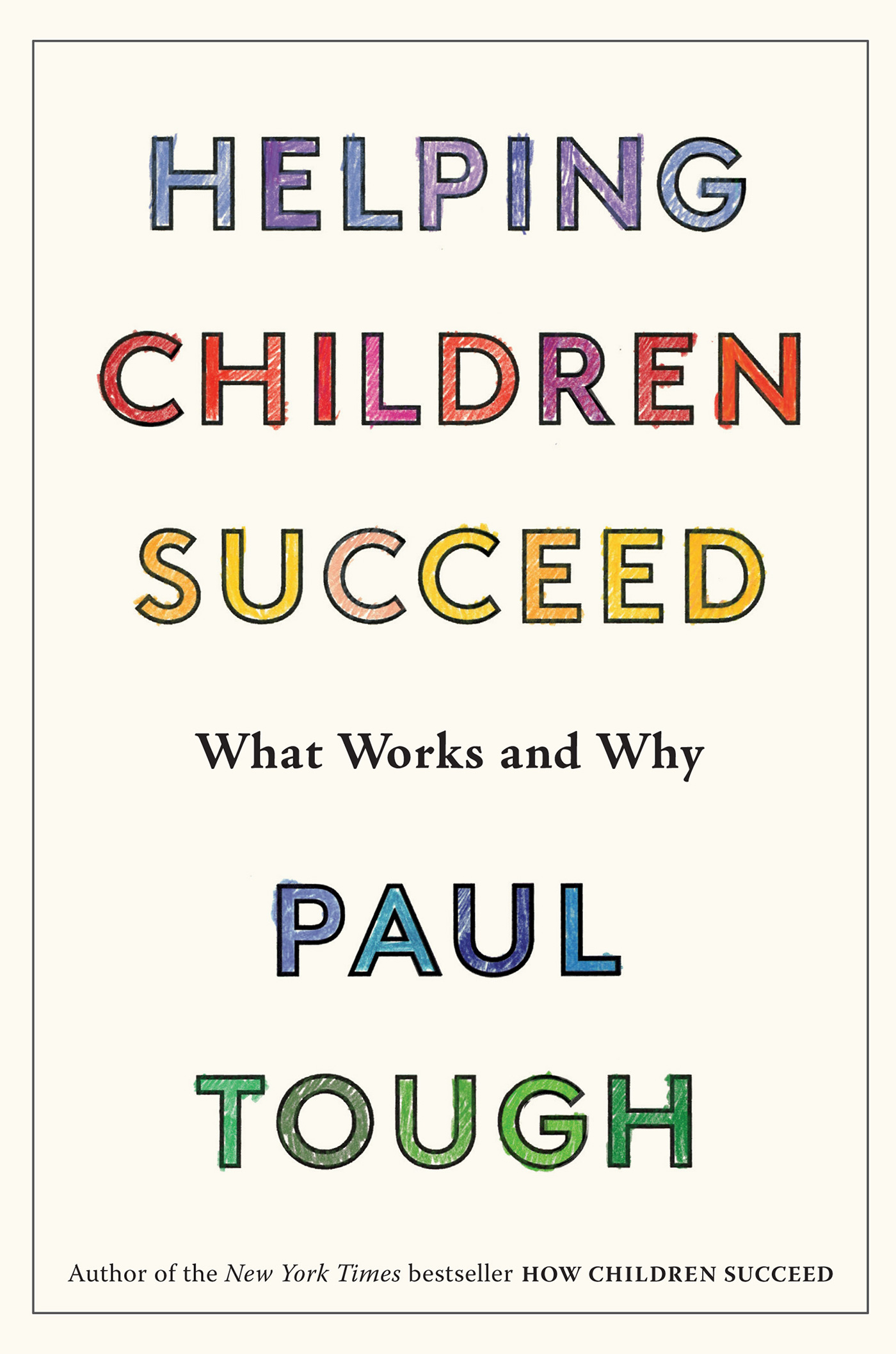
Building on his previous work about the importance of personal traits such as perseverance in student success, Paul Tough focuses Helping Children Succeed on how educators, policymakers, and parents can help children develop those attributes.
Cultivating our society’s most creative thinkers like venture capitalists—supporting them early, continuously, and strategically—can lead to social impact far beyond the art world.
In Senegal, where many believe contraception is inconsistent with Islamic values, religious leaders can play an important role in improving reproductive health statistics.

Connie Duckworth, founder and CEO of ARZU Studio Hope, discusses her goals for the organization and her intention to run ARZU as a “profitable nonprofit.”


Large-scale social change requires broad cross-sector coordination, not the isolated intervention of individual organizations.

With an understanding of these 10 funding models, nonprofit leaders can use the for-profit world's valuable practice of engaging in succinct and clear conversations about long-term financial strategy.

Professionalism has become coded language for white favoritism in workplace practices that more often than not leave behind people of color. This is the fourth of 10 articles in a special series about diversity, equity, and inclusion.

By working closely with the clients and consumers, design thinking allows high-impact solutions to social problems to bubble up from below rather than being imposed from the top.

Five principles based in social science that will help organizations connect their work to what people care most about.