A Map to Effective Communications
How the California Heath Care Foundation sparked statewide change by “showing” rather than “telling” its data, making use of existing partnerships, and funding what works.

How the California Heath Care Foundation sparked statewide change by “showing” rather than “telling” its data, making use of existing partnerships, and funding what works.
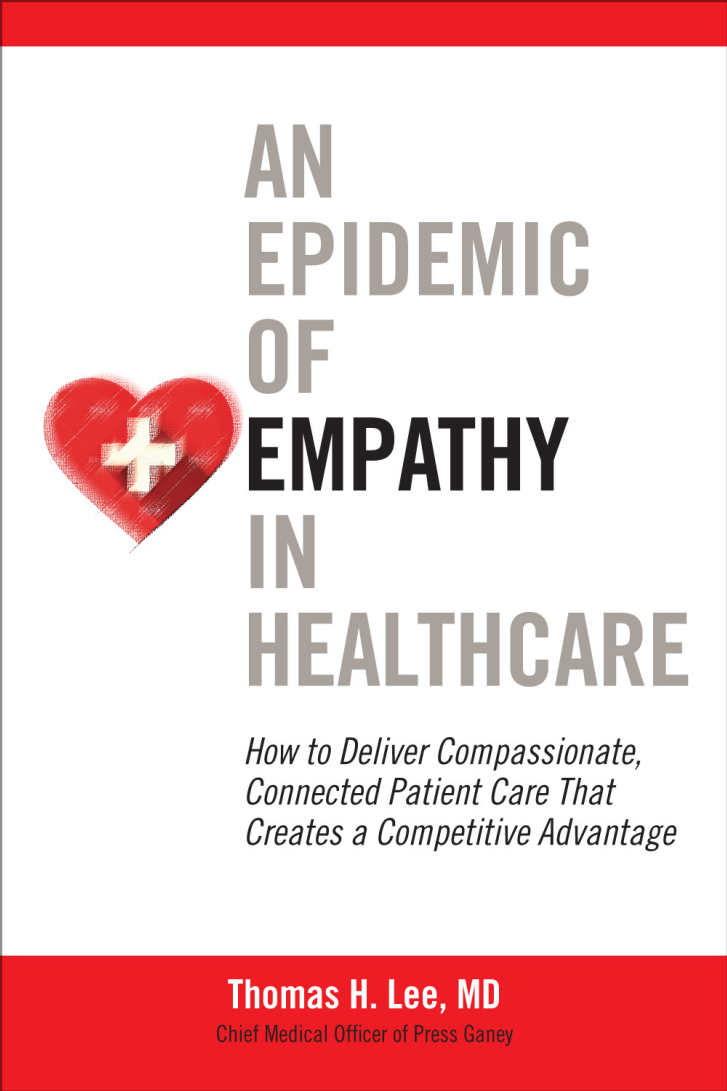
A new book looks at how to deliver compassionate, connected patient care—and how that approach can create a competitive advantage.
Academic-humanitarian collaborations that mobilize rigorous scientific research can improve the effectiveness of aid efforts.
To achieve large-scale, long-term success, wildlife conservationists need to think like the private sector and invest in business innovation.

A recent get-out-the-vote experiment shows that turnout in primaries can be cost-effectively enlarged and broadened by targeting voters who only vote in general elections and who are often ignored by campaigns.


Large-scale social change requires broad cross-sector coordination, not the isolated intervention of individual organizations.

With an understanding of these 10 funding models, nonprofit leaders can use the for-profit world's valuable practice of engaging in succinct and clear conversations about long-term financial strategy.

Professionalism has become coded language for white favoritism in workplace practices that more often than not leave behind people of color. This is the fourth of 10 articles in a special series about diversity, equity, and inclusion.

By working closely with the clients and consumers, design thinking allows high-impact solutions to social problems to bubble up from below rather than being imposed from the top.

Five principles based in social science that will help organizations connect their work to what people care most about.