


Akshaya Patra
Technical ingenuity and private funding enable Akshaya Patra to serve hot, healthy lunches to 1.4 million Indian children every day.
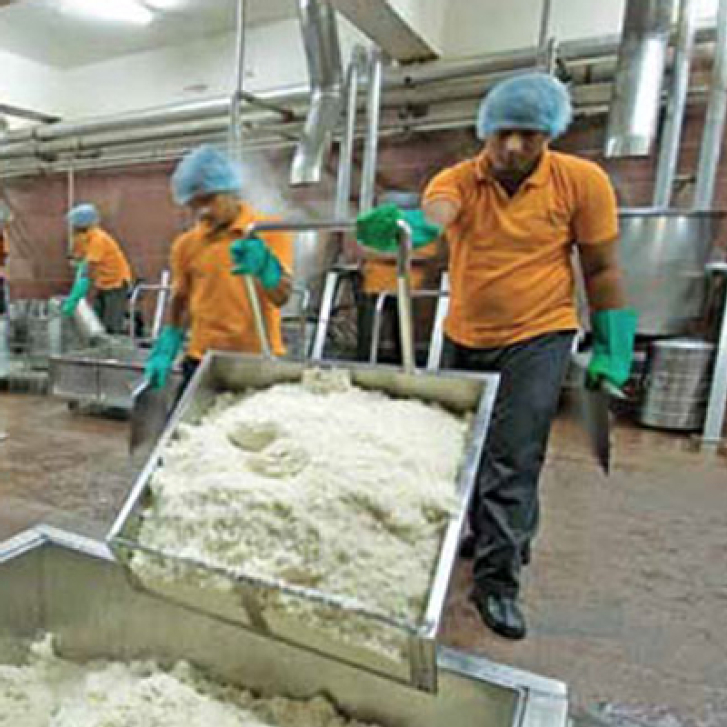
Technical ingenuity and private funding enable Akshaya Patra to serve hot, healthy lunches to 1.4 million Indian children every day.
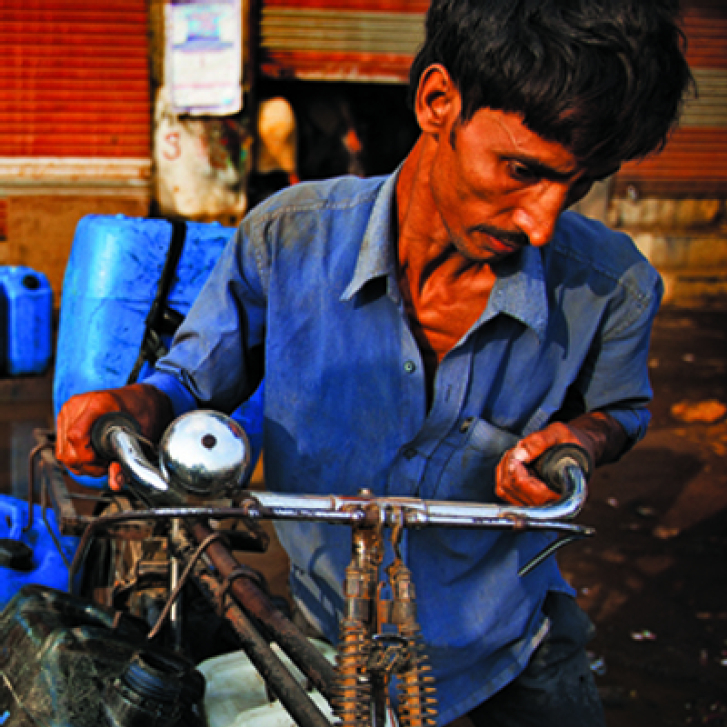
One of India’s largest, and most intractable, challenges is providing clean water to all of its 1.2 billion citizens.
The Congressional hearings on Planned Parenthood illustrate that dependence of civil society organizations on government contracts compromises their autonomy, turns them into pawns in political fights, and erodes their legitimacy.
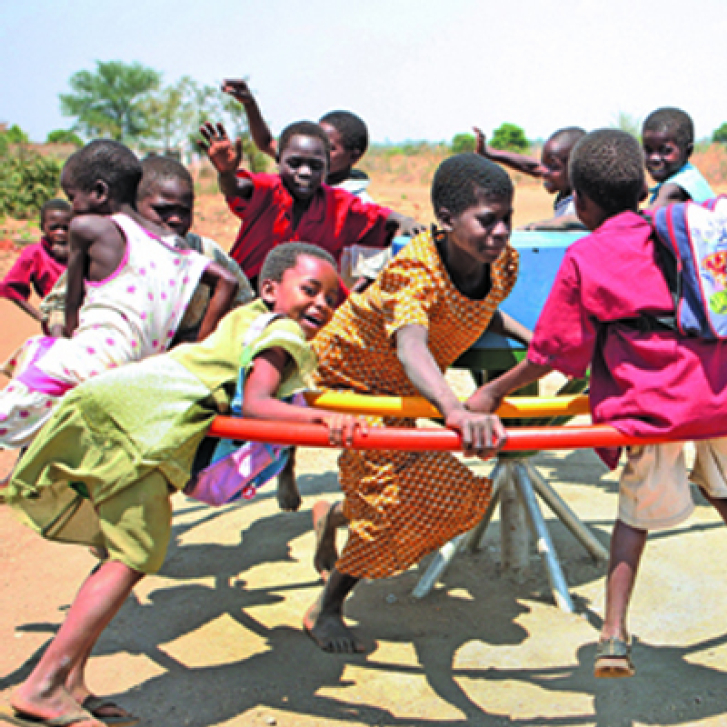
Efforts to bring promising health care interventions to resource-constrained regions of the world often falter because entrepreneurs underestimate the array of obstacles that loom in their path.

To ensure that its clean-water initiatives will stick and grow, Splash works with local partners that will take over when it moves on.


Large-scale social change requires broad cross-sector coordination, not the isolated intervention of individual organizations.

With an understanding of these 10 funding models, nonprofit leaders can use the for-profit world's valuable practice of engaging in succinct and clear conversations about long-term financial strategy.

Professionalism has become coded language for white favoritism in workplace practices that more often than not leave behind people of color. This is the fourth of 10 articles in a special series about diversity, equity, and inclusion.

By working closely with the clients and consumers, design thinking allows high-impact solutions to social problems to bubble up from below rather than being imposed from the top.

Five principles based in social science that will help organizations connect their work to what people care most about.