


Financing Broadband in Hard-to-Reach Communities
To close the digital divide, we need a capital market that powers community broadband.

To close the digital divide, we need a capital market that powers community broadband.
How does a global approach to childhood cancer research advance treatments and cures? How are philanthropists around the world supporting this cause? Gloria De Dios of Foundation Ayudame a Vivir (AYUVI), Richard C. Shadyac of ALSAC, and Fred Kaynor of DAFgiving360 discuss St. Jude Global, an innovative endeavor at St. Jude Children’s Research Hospital to take lifesaving cancer treatments to children around the world. A sponsored podcast developed with the support of DAFgiving360
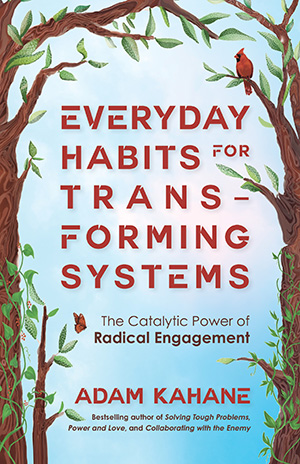
An excerpt from Everyday Habits for Transforming Systems on finding the leverage points for change

With impact investment assets under management approaching $1.6 trillion, the industry needs to build better analytical methods to make the most of every penny. A new approach from the Global Impact Investing Network may show a way forward, but the need remains for more, better, and more widely shared data.

An excerpt from Every Purchase Matters on virtuous premiums


Large-scale social change requires broad cross-sector coordination, not the isolated intervention of individual organizations.

With an understanding of these 10 funding models, nonprofit leaders can use the for-profit world's valuable practice of engaging in succinct and clear conversations about long-term financial strategy.

Professionalism has become coded language for white favoritism in workplace practices that more often than not leave behind people of color. This is the fourth of 10 articles in a special series about diversity, equity, and inclusion.

By working closely with the clients and consumers, design thinking allows high-impact solutions to social problems to bubble up from below rather than being imposed from the top.

Five principles based in social science that will help organizations connect their work to what people care most about.