Scaling Impact in Education
Education entrepreneurs share how innovative ideas, models, and policies may be focused and scaled so that more children can get the education they deserve.

Education entrepreneurs share how innovative ideas, models, and policies may be focused and scaled so that more children can get the education they deserve.
Self-governing societies can’t operate on noblesse oblige, and societies that do aren’t truly self-governing.
Stanford Social Innovation Review readers share haiku poems about nonprofits.

Guilt might move people not to relieve suffering, but to exacerbate it by rationalizing that the victims somehow deserve their plight.
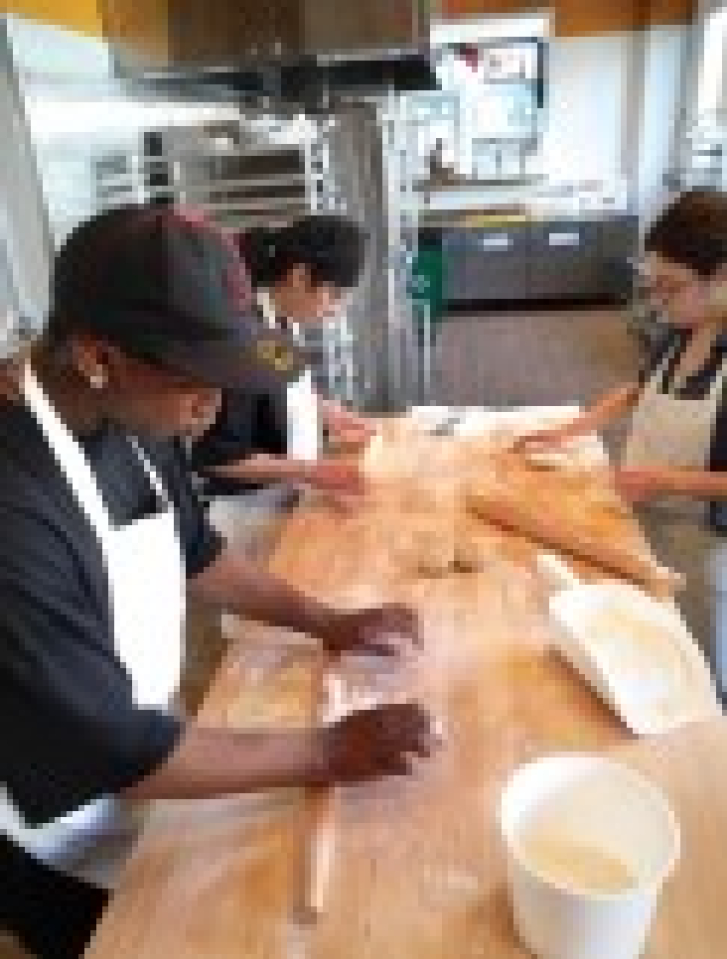
Mission Pie, a for-profit bakery and café, supports local farmers while training at-risk kids.


Large-scale social change requires broad cross-sector coordination, not the isolated intervention of individual organizations.

With an understanding of these 10 funding models, nonprofit leaders can use the for-profit world's valuable practice of engaging in succinct and clear conversations about long-term financial strategy.

Professionalism has become coded language for white favoritism in workplace practices that more often than not leave behind people of color. This is the fourth of 10 articles in a special series about diversity, equity, and inclusion.

By working closely with the clients and consumers, design thinking allows high-impact solutions to social problems to bubble up from below rather than being imposed from the top.

Five principles based in social science that will help organizations connect their work to what people care most about.