


Equal Partnership
The international NGO CARE reimagined its traditional approach to humanitarian relief by creating a platform to uplift its local partners and better serve communities.
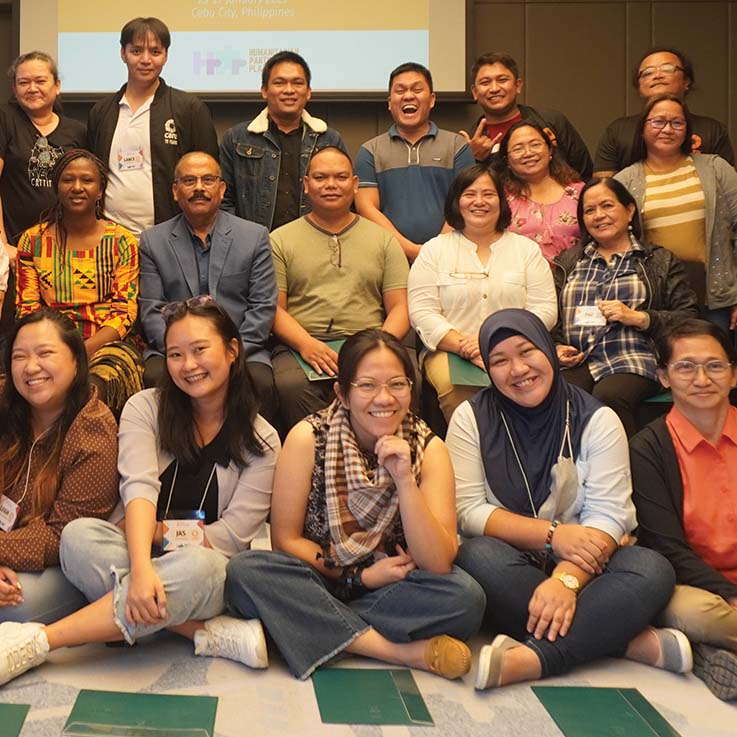
The international NGO CARE reimagined its traditional approach to humanitarian relief by creating a platform to uplift its local partners and better serve communities.
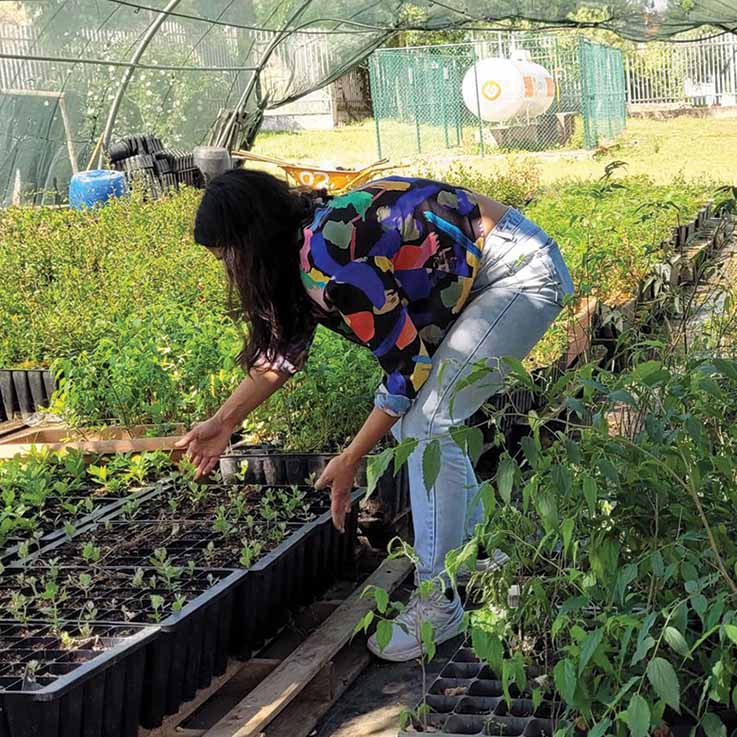
NGO ATN preserves and restores the biodiversity of northern Portugal to counterbalance the effects of climate change.

One of India’s largest cities launched the world’s biggest public-private partnership metro rail project to construct essential public transit for its bustling metropolis. Its leaders overcame numerous hurdles by cultivating a stakeholder mindset.

Imagine a nurse for every census tract of the United States. We must transform nursing education to make that vision a reality.
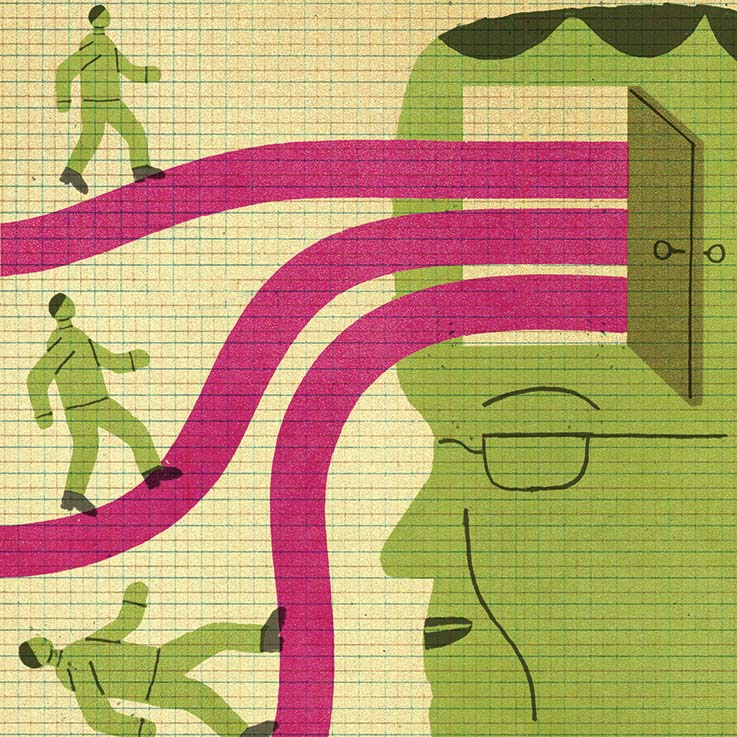
Public Exchange creates streamlined pathways for public and private sector leaders to tap academic expertise. This model accelerates solutions to challenging social and environmental problems and enhances the social impact of academic research.


Large-scale social change requires broad cross-sector coordination, not the isolated intervention of individual organizations.

With an understanding of these 10 funding models, nonprofit leaders can use the for-profit world's valuable practice of engaging in succinct and clear conversations about long-term financial strategy.

Professionalism has become coded language for white favoritism in workplace practices that more often than not leave behind people of color. This is the fourth of 10 articles in a special series about diversity, equity, and inclusion.

By working closely with the clients and consumers, design thinking allows high-impact solutions to social problems to bubble up from below rather than being imposed from the top.

Five principles based in social science that will help organizations connect their work to what people care most about.