


The Liberating Path
Female monks remain unrecognized by officials, yet are fighting for inclusion through their practice.
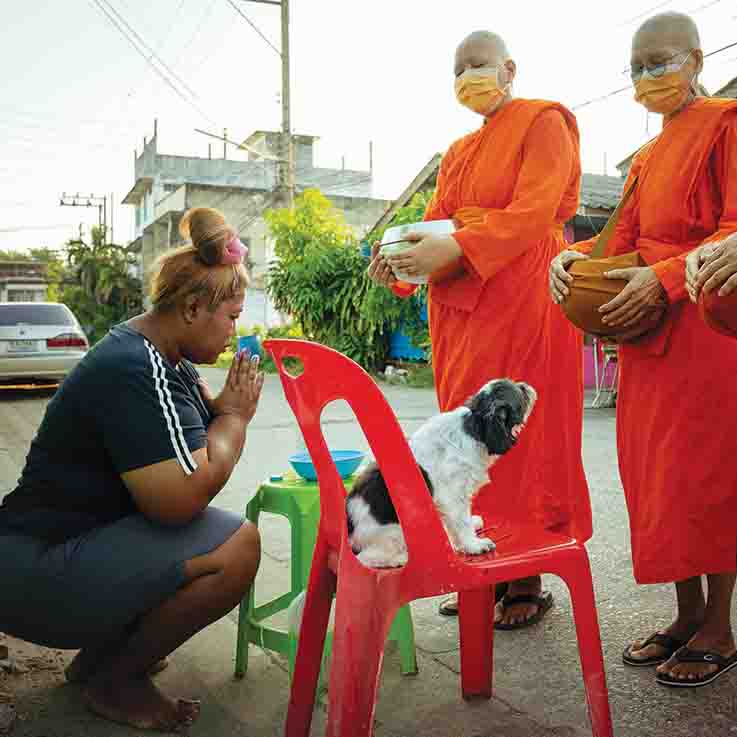
Female monks remain unrecognized by officials, yet are fighting for inclusion through their practice.

An excerpt from The Revolution Will Be Hilarious on activism and entertainment
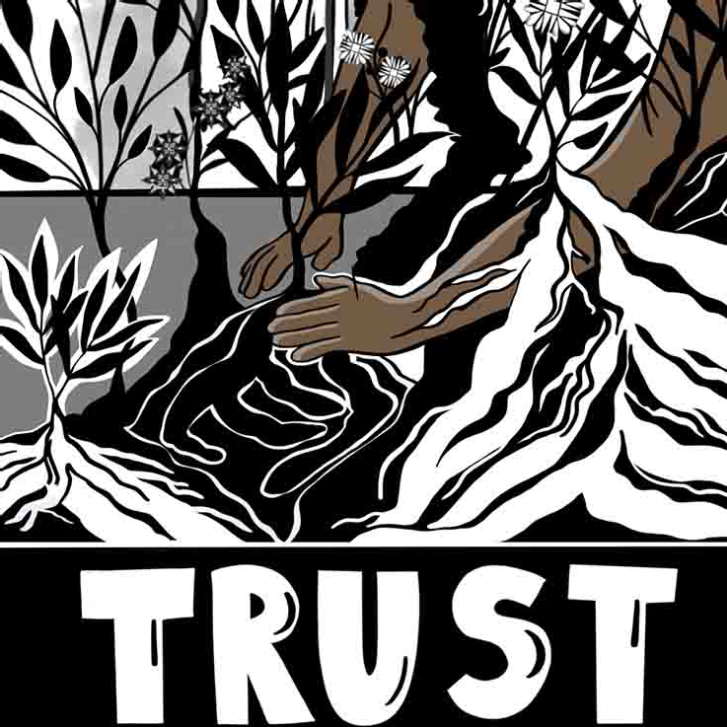
To build shared decision-making, foundations must put aside narrow definitions of rigor and embrace new understandings of accountability.

From the front lines of climate change and health inequities, city leaders are collaborating on solutions and learning from one another how best to rise and meet these challenges.

Though potentially a win-win solution for the developing world’s debtors and creditors alike, debt-for-climate swaps must be well-designed and implemented if they are to be effective.


Large-scale social change requires broad cross-sector coordination, not the isolated intervention of individual organizations.

With an understanding of these 10 funding models, nonprofit leaders can use the for-profit world's valuable practice of engaging in succinct and clear conversations about long-term financial strategy.

Professionalism has become coded language for white favoritism in workplace practices that more often than not leave behind people of color. This is the fourth of 10 articles in a special series about diversity, equity, and inclusion.

By working closely with the clients and consumers, design thinking allows high-impact solutions to social problems to bubble up from below rather than being imposed from the top.

Five principles based in social science that will help organizations connect their work to what people care most about.