


Lead, Follow, or Get Out of the Way!
An excerpt from Pathways to Action on how market-leading organizations must take the lead in accelerating change.
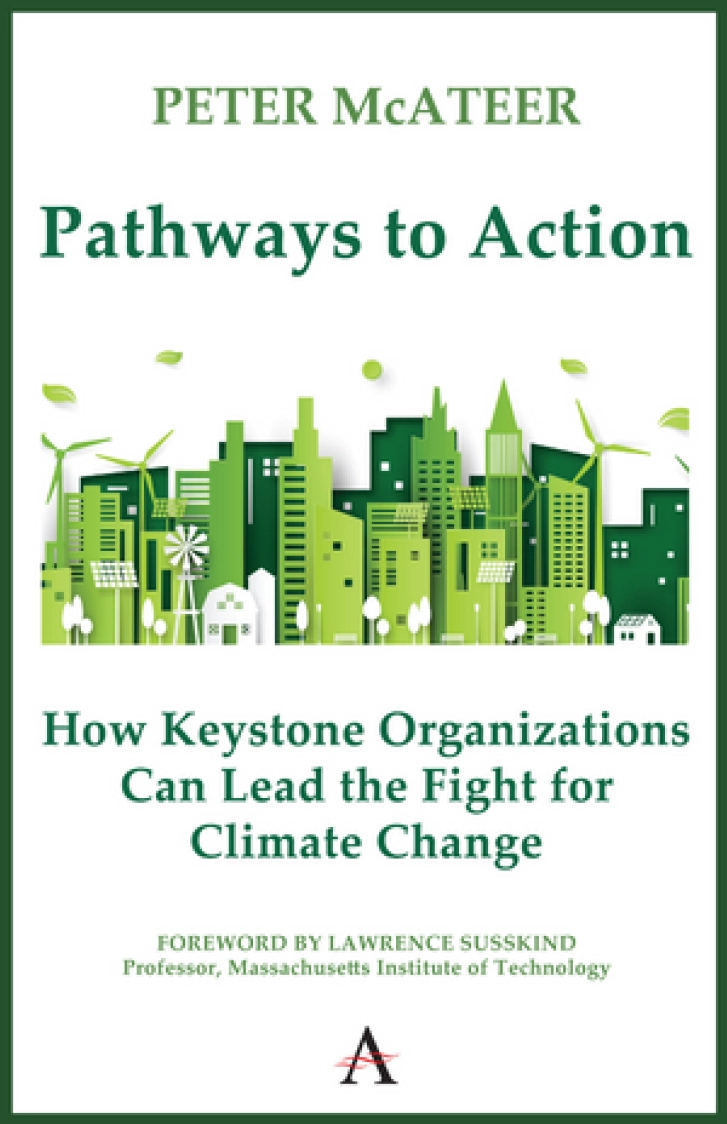
An excerpt from Pathways to Action on how market-leading organizations must take the lead in accelerating change.

Practical ways investors can help the people most affected by climate change become more resilient to it, while still securing a strong financial return.

To solve the housing crisis, funders must take collective action to simultaneously solve the climate crisis and prioritize those who have had the least to do with creating either.

How grassroots movements create durable and transformative impact.

Businesses need to take actions that improve not only the environment, but also human health and well-being, particularly among vulnerable communities in their value chains.


Large-scale social change requires broad cross-sector coordination, not the isolated intervention of individual organizations.

With an understanding of these 10 funding models, nonprofit leaders can use the for-profit world's valuable practice of engaging in succinct and clear conversations about long-term financial strategy.

Professionalism has become coded language for white favoritism in workplace practices that more often than not leave behind people of color. This is the fourth of 10 articles in a special series about diversity, equity, and inclusion.

By working closely with the clients and consumers, design thinking allows high-impact solutions to social problems to bubble up from below rather than being imposed from the top.

Five principles based in social science that will help organizations connect their work to what people care most about.