


The Imaginary Crisis
An excerpt from Another World Is Possible on methods for improving our social imagination.
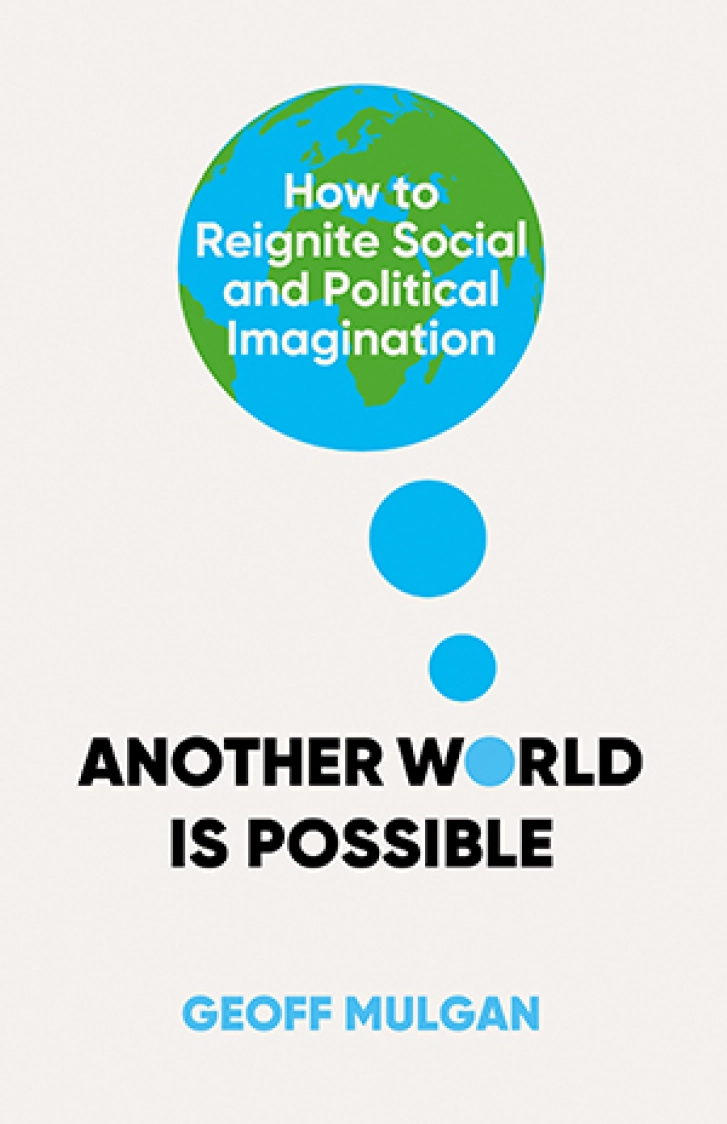
An excerpt from Another World Is Possible on methods for improving our social imagination.
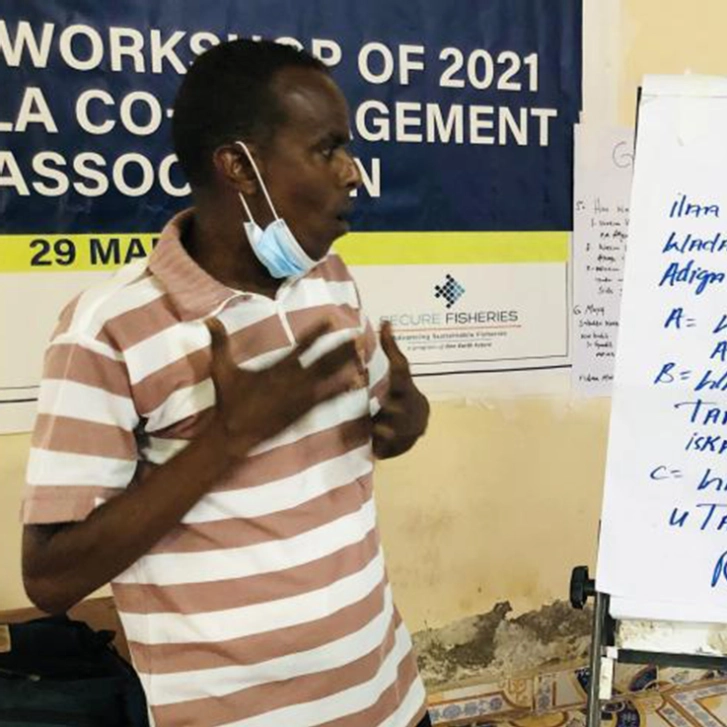
How our brains undermine long-term thinking, and what social impact organizations can do about it.
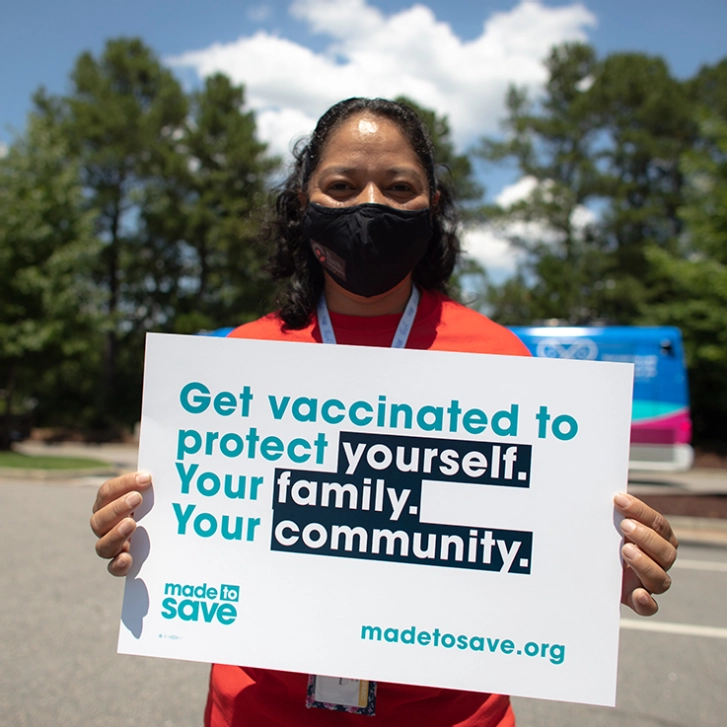
COVID-19 vaccine efforts showed how successfully centering communities can overcome mistrust and access barriers.

The ethical pause—a short period of reflection and inquiry about a project’s ethical implications and the team’s approach to the work—helps ensure teams ask the right questions and address issues of inequity and access in the services they develop.
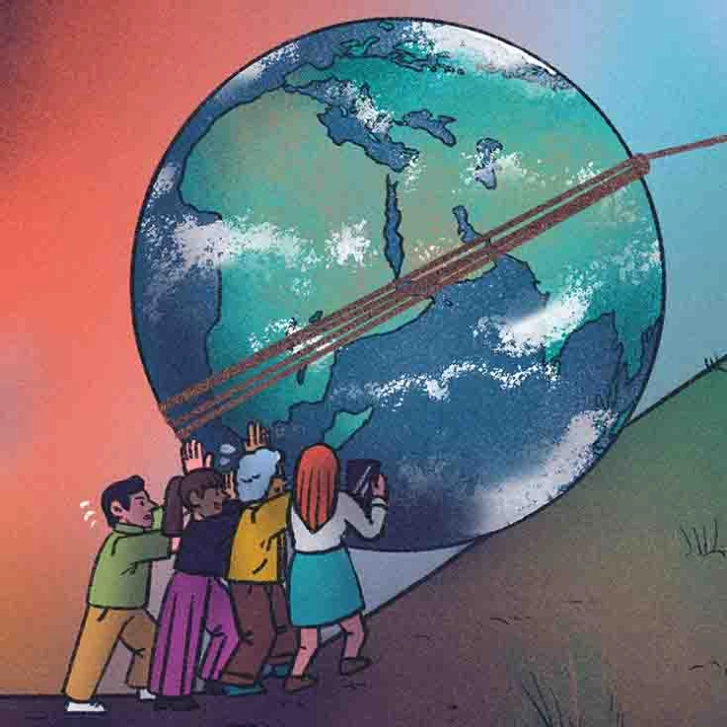
Through intentional investments and informed divestments, investors, philanthropists, and foundations can support environmentally conscious, community-centered, and reparative approaches to economic and technological change.

Large-scale social change requires broad cross-sector coordination, not the isolated intervention of individual organizations.
With an understanding of these 10 funding models, nonprofit leaders can use the for-profit world's valuable practice of engaging in succinct and clear conversations about long-term financial strategy.

Professionalism has become coded language for white favoritism in workplace practices that more often than not leave behind people of color. This is the fourth of 10 articles in a special series about diversity, equity, and inclusion.

By working closely with the clients and consumers, design thinking allows high-impact solutions to social problems to bubble up from below rather than being imposed from the top.

Five principles based in social science that will help organizations connect their work to what people care most about.