


Transforming Organic Certification
Mexico's participatory guarantee systems are empowering small-scale farmers to compete with larger certified organic producers.
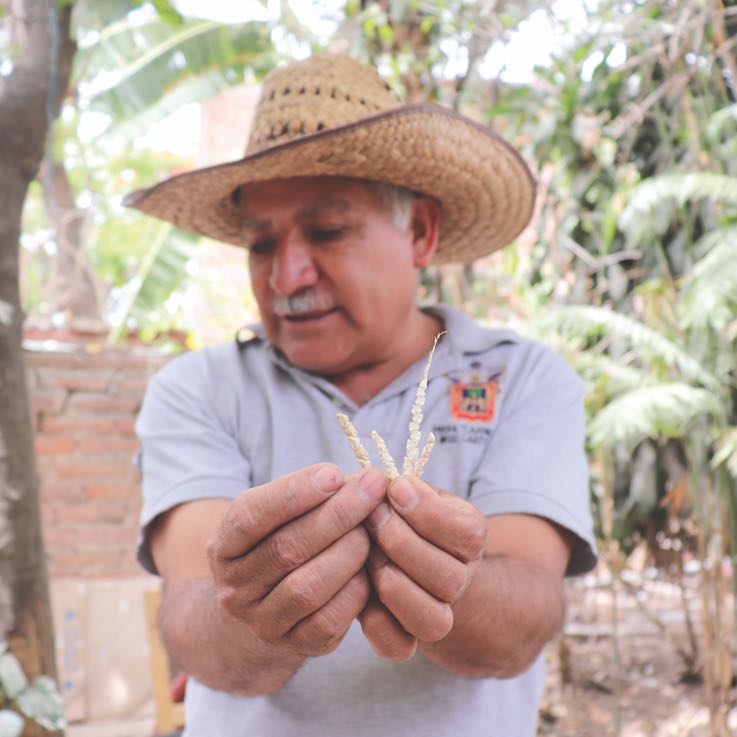
Mexico's participatory guarantee systems are empowering small-scale farmers to compete with larger certified organic producers.

Atlanta Mayor Andre Dickens is seeking to improve his city by going neighborhood by neighborhood.

A response to Kevin Starr on the "philanthropy" of impact investing

How organizations handle disagreement shapes not only their internal health, but also the civic capacities society depends on.
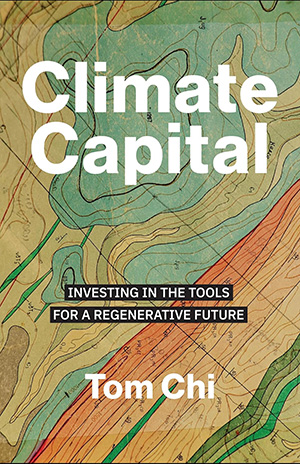
An excerpt from Tom Chi’s Climate Capital on building forward for the future we need.


Large-scale social change requires broad cross-sector coordination, not the isolated intervention of individual organizations.

With an understanding of these 10 funding models, nonprofit leaders can use the for-profit world's valuable practice of engaging in succinct and clear conversations about long-term financial strategy.

Professionalism has become coded language for white favoritism in workplace practices that more often than not leave behind people of color. This is the fourth of 10 articles in a special series about diversity, equity, and inclusion.

By working closely with the clients and consumers, design thinking allows high-impact solutions to social problems to bubble up from below rather than being imposed from the top.

Five principles based in social science that will help organizations connect their work to what people care most about.