


The Farm Cooperative Fighting Crime
Libera Terra reclaims lands stolen by the Italian Mafia to create economic opportunities for local communities.

Libera Terra reclaims lands stolen by the Italian Mafia to create economic opportunities for local communities.
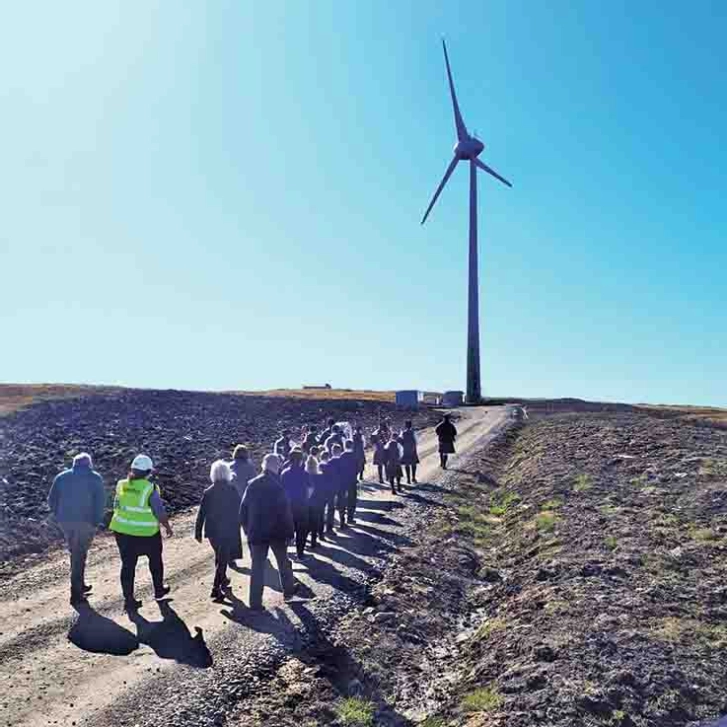
NGO consortium Local Energy Scotland promotes collectively owned renewable energy generation.

Mexico’s Pixza began as a social inclusion vehicle for homeless adults through a pizza business. Its evolution demonstrates how social entrepreneurs can leverage purpose to sustain organizations through a crisis and to reengineer business models to foster greater impact.
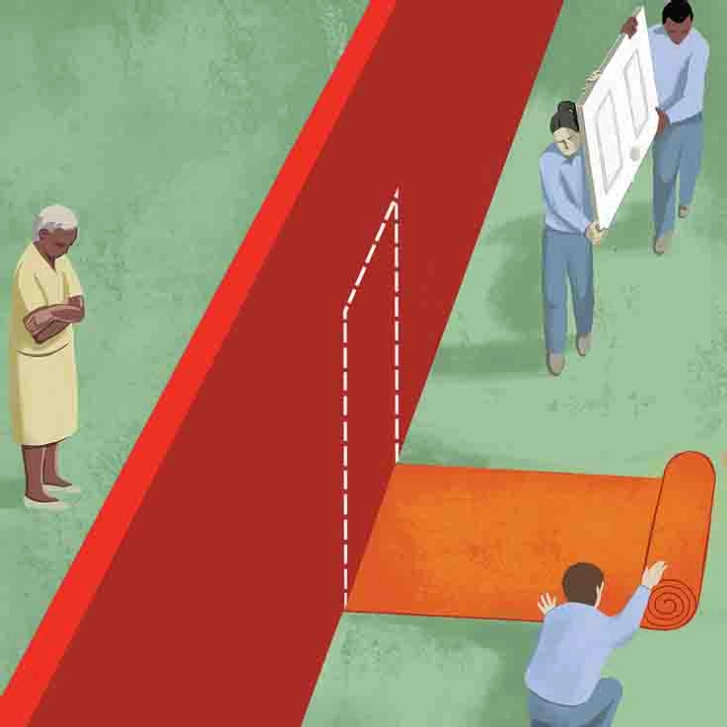
Public health requires a more intentional effort toward building social connectedness.

Even voters who favor female candidates may withhold support because of worries about their ability to win.


Large-scale social change requires broad cross-sector coordination, not the isolated intervention of individual organizations.

With an understanding of these 10 funding models, nonprofit leaders can use the for-profit world's valuable practice of engaging in succinct and clear conversations about long-term financial strategy.

Professionalism has become coded language for white favoritism in workplace practices that more often than not leave behind people of color. This is the fourth of 10 articles in a special series about diversity, equity, and inclusion.

By working closely with the clients and consumers, design thinking allows high-impact solutions to social problems to bubble up from below rather than being imposed from the top.

Five principles based in social science that will help organizations connect their work to what people care most about.