


The 10 Most Popular SSIR Articles of 2021
Highlights from the magazine and website.

Highlights from the magazine and website.

An excerpt from Activate Brand Purpose on what companies can learn from societal movements’ decay and success.

Highlights from book excerpts published by SSIR online this year on topics including mutualism, grassroots development, breakthrough ideas, racial injustice, and well-being.
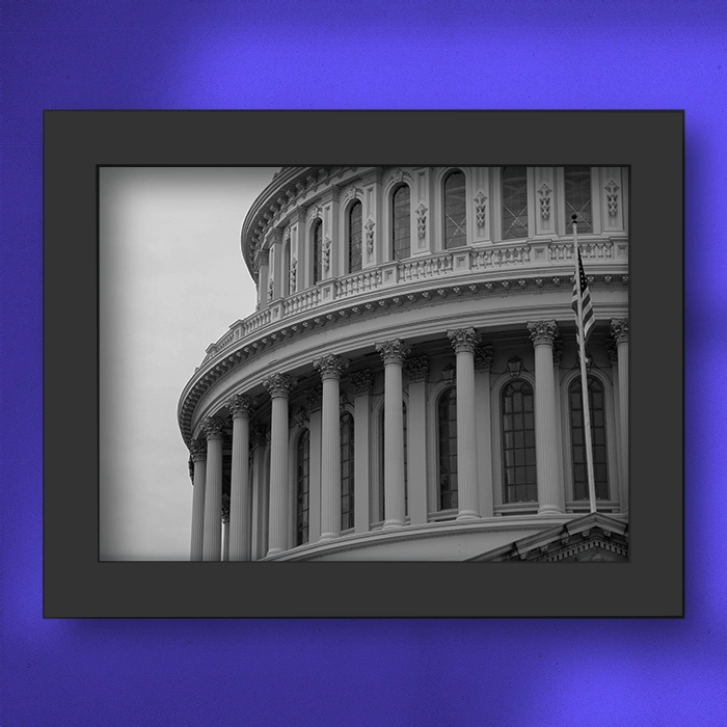
Susan Urahn of The Pew Charitable Trusts and Sarah Rosen Wartell of the Urban Institute discuss the many challenges facing American democracy—and ways to find common ground in a polarized environment. Produced in partnership with The Pew Charitable Trusts.

A look at how the collective impact initiative StriveTogether is enlisting data to resolve systemic barriers that limit opportunity for children and families of color in the United States.


Large-scale social change requires broad cross-sector coordination, not the isolated intervention of individual organizations.

With an understanding of these 10 funding models, nonprofit leaders can use the for-profit world's valuable practice of engaging in succinct and clear conversations about long-term financial strategy.

Professionalism has become coded language for white favoritism in workplace practices that more often than not leave behind people of color. This is the fourth of 10 articles in a special series about diversity, equity, and inclusion.

By working closely with the clients and consumers, design thinking allows high-impact solutions to social problems to bubble up from below rather than being imposed from the top.

Five principles based in social science that will help organizations connect their work to what people care most about.