


Ending Period Shame and Poverty in Asia
Innovative approaches to addressing social stigma related to menstruation, led by women in Japan and China, are making the issue visible and highlighting the role it plays in gender inequality.

Innovative approaches to addressing social stigma related to menstruation, led by women in Japan and China, are making the issue visible and highlighting the role it plays in gender inequality.
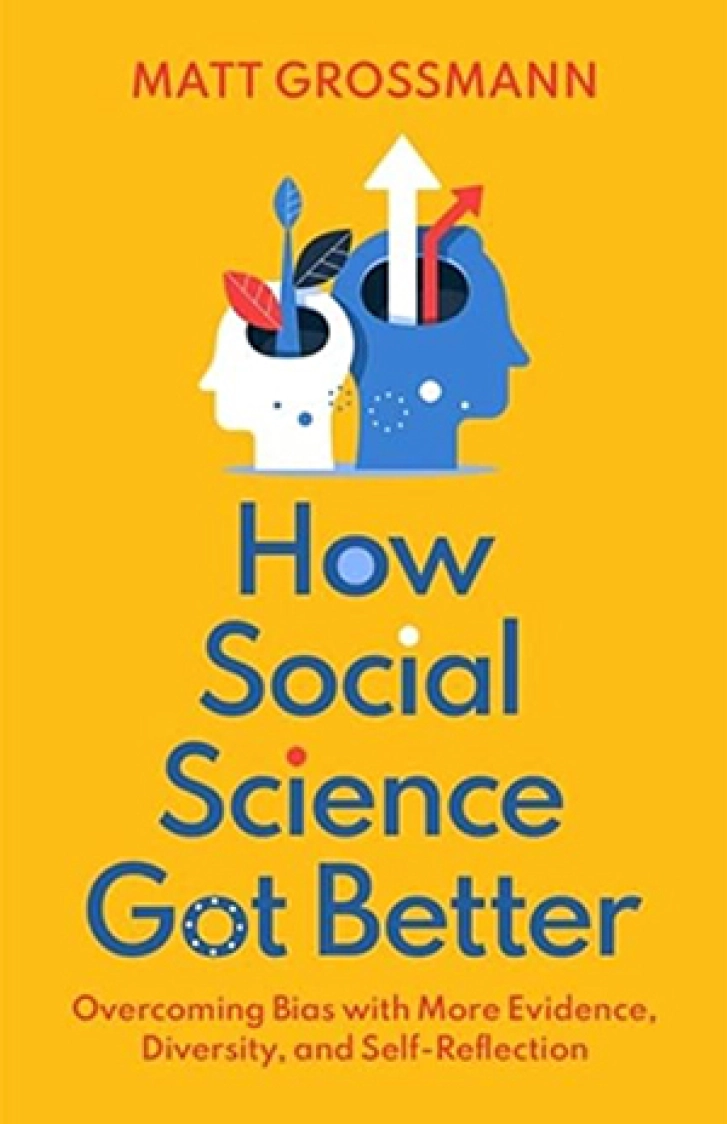
An excerpt from How Social Science Got Better on how the social sciences are becoming more relevant, diverse, and reflective.
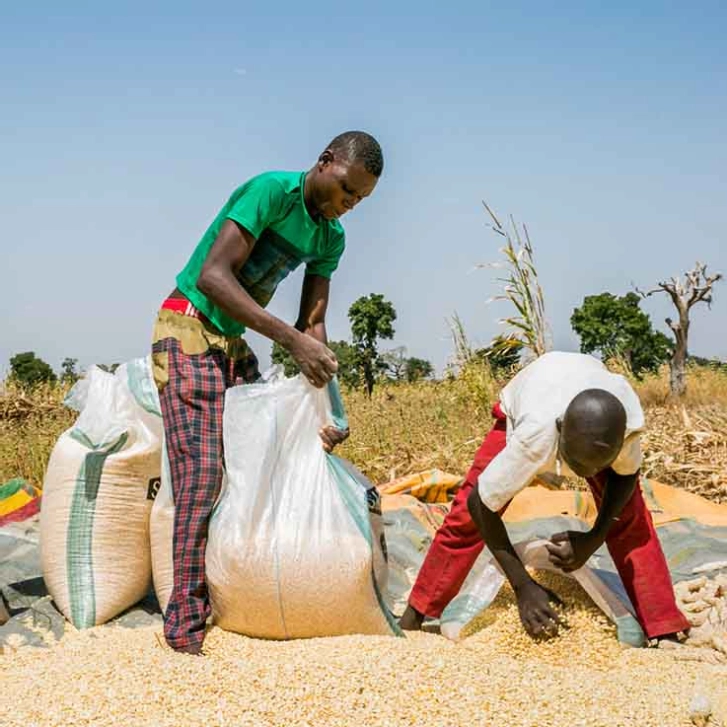
Babban Gona provides the capital and means to move Nigeria’s poor farmers from a life of subsistence to economic security—and a model for alleviating poverty across Africa.

The pandemic’s disruptions have only exacerbated many social, economic, and cultural fault lines, and so, learning recovery programs must focus on quality and equity at both the individual and systems level.

Telling diverse and inclusive stories for social change that center marginalized communities and build understanding requires that we show the complex ways communities experience systems of inequality.


Large-scale social change requires broad cross-sector coordination, not the isolated intervention of individual organizations.

With an understanding of these 10 funding models, nonprofit leaders can use the for-profit world's valuable practice of engaging in succinct and clear conversations about long-term financial strategy.

Professionalism has become coded language for white favoritism in workplace practices that more often than not leave behind people of color. This is the fourth of 10 articles in a special series about diversity, equity, and inclusion.

By working closely with the clients and consumers, design thinking allows high-impact solutions to social problems to bubble up from below rather than being imposed from the top.

Five principles based in social science that will help organizations connect their work to what people care most about.