


A Movement for Refugee Leadership
Philanthropy can invigorate our communities and our democracy by investing in refugee leadership and civic participation.
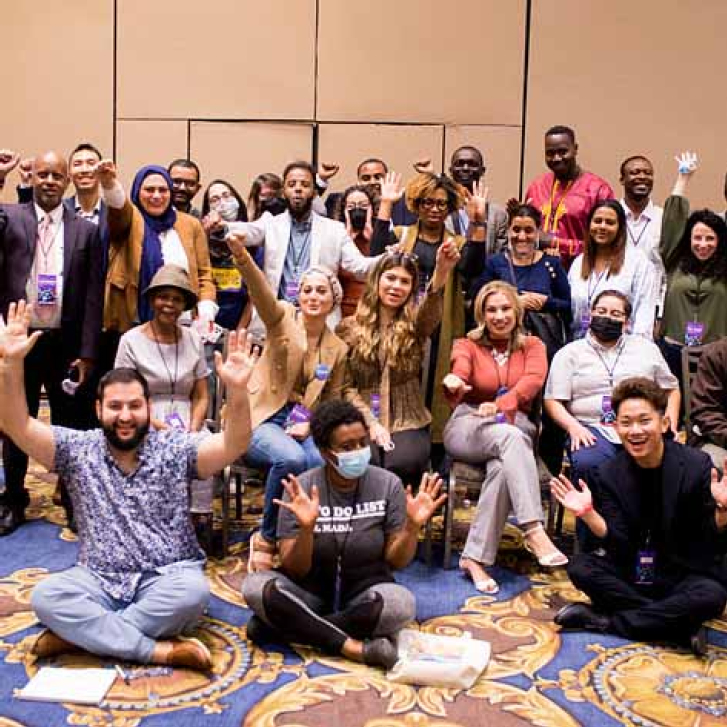
Philanthropy can invigorate our communities and our democracy by investing in refugee leadership and civic participation.

How a sustainable toothbrush enterprise based in South Korea is reducing environmental waste and poverty, providing social services, building a healthy organizational culture, and making a profit, with the hope that other companies will follow suit.
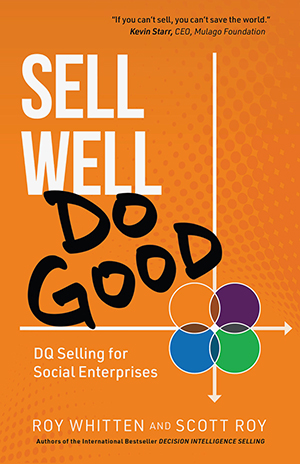
An excerpt from Sell Well, Do Good on breaking open the black box of selling: how to design a selling system that aligns with the values and best practices of social enterprise
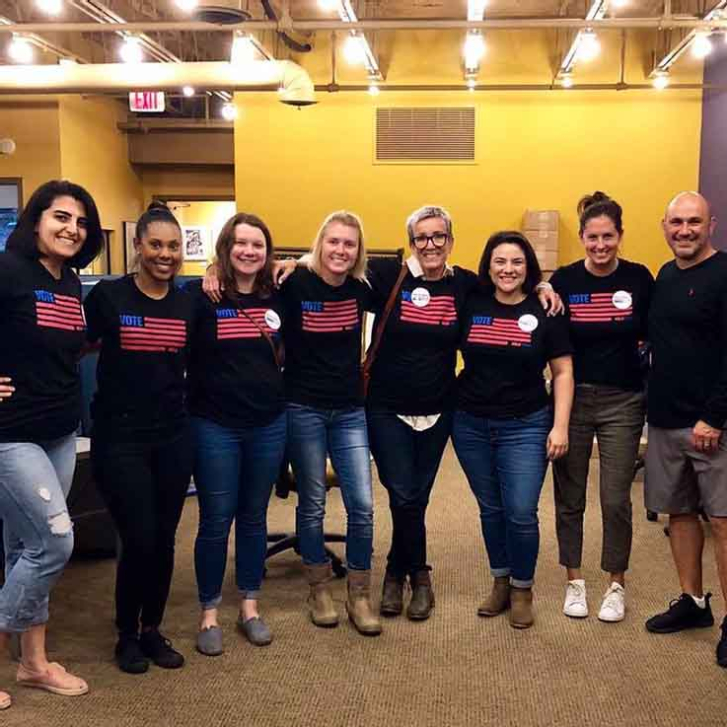
In the midst of an ongoing assault on civil rights, the ACLU’s Strategic Affiliate Initiative is helping a century-old organization grow to meet the moment.

An excerpt from The Business of Less: The Role of Companies and Households on a Planet in Peril on how to fix corporate sustainability.


Large-scale social change requires broad cross-sector coordination, not the isolated intervention of individual organizations.

With an understanding of these 10 funding models, nonprofit leaders can use the for-profit world's valuable practice of engaging in succinct and clear conversations about long-term financial strategy.

Professionalism has become coded language for white favoritism in workplace practices that more often than not leave behind people of color. This is the fourth of 10 articles in a special series about diversity, equity, and inclusion.

By working closely with the clients and consumers, design thinking allows high-impact solutions to social problems to bubble up from below rather than being imposed from the top.

Five principles based in social science that will help organizations connect their work to what people care most about.