


Charting New Futures
New Constellations works with communities to imagine new and better futures, starting with the renewal of Barrow-in-Furness in Great Britain.
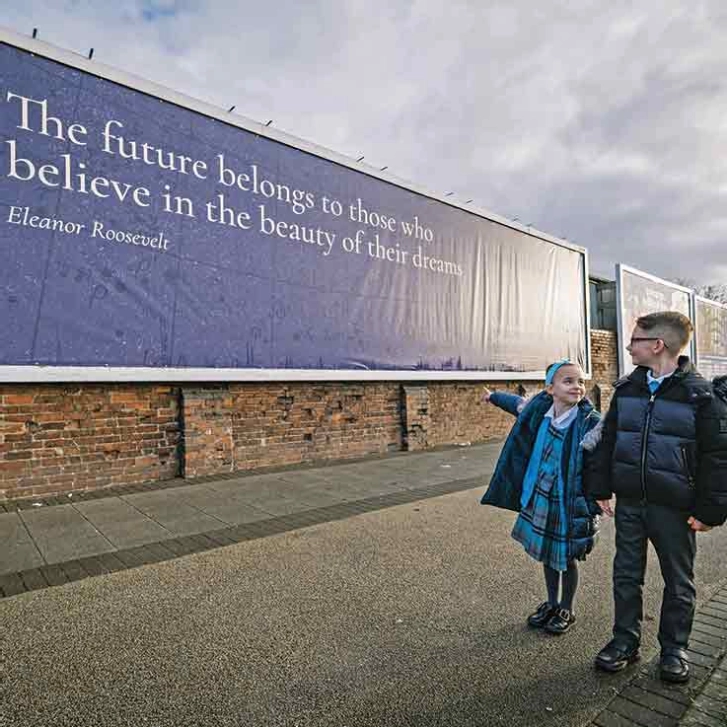
New Constellations works with communities to imagine new and better futures, starting with the renewal of Barrow-in-Furness in Great Britain.
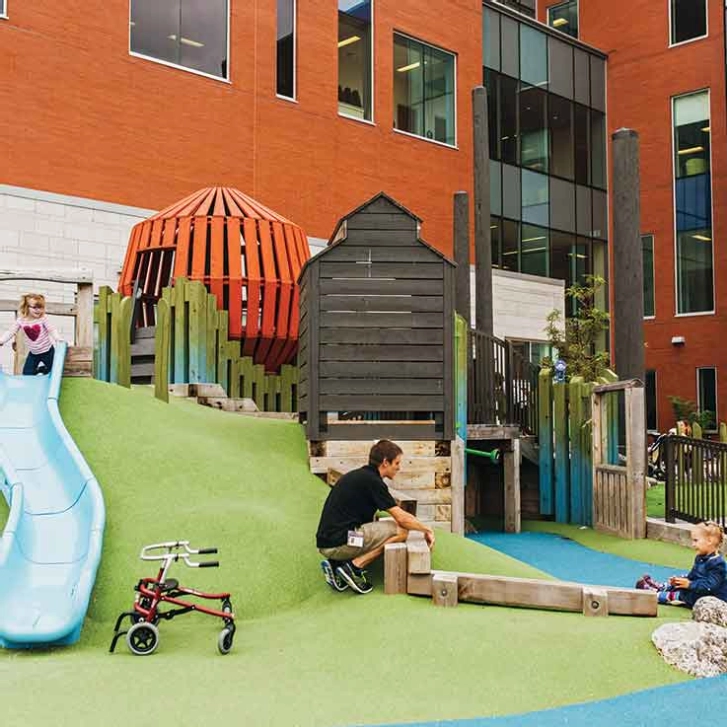
Inclusive-design organizations are working to ensure that disabled kids are no longer prevented from playing with their peers.
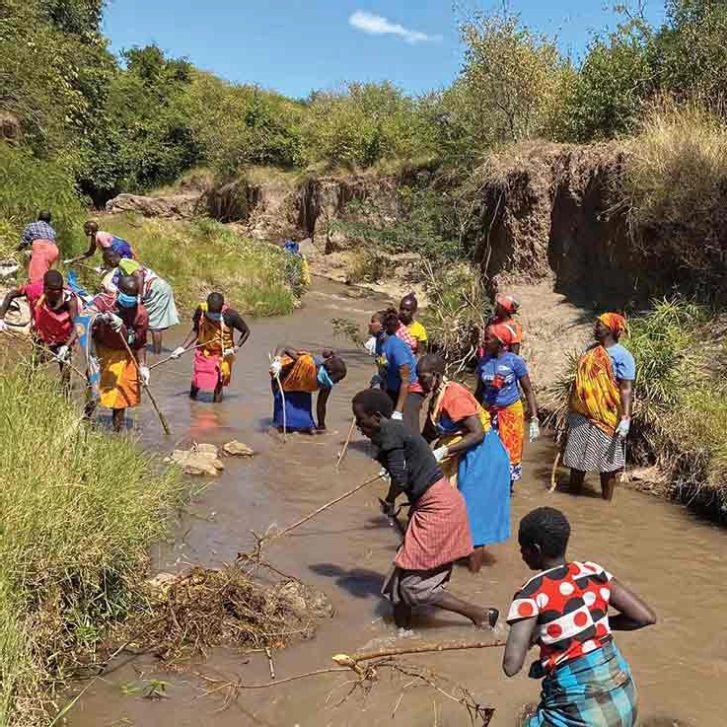
The Nashulai Maasai Conservancy is taking back Kenya’s land for Indigenous people.
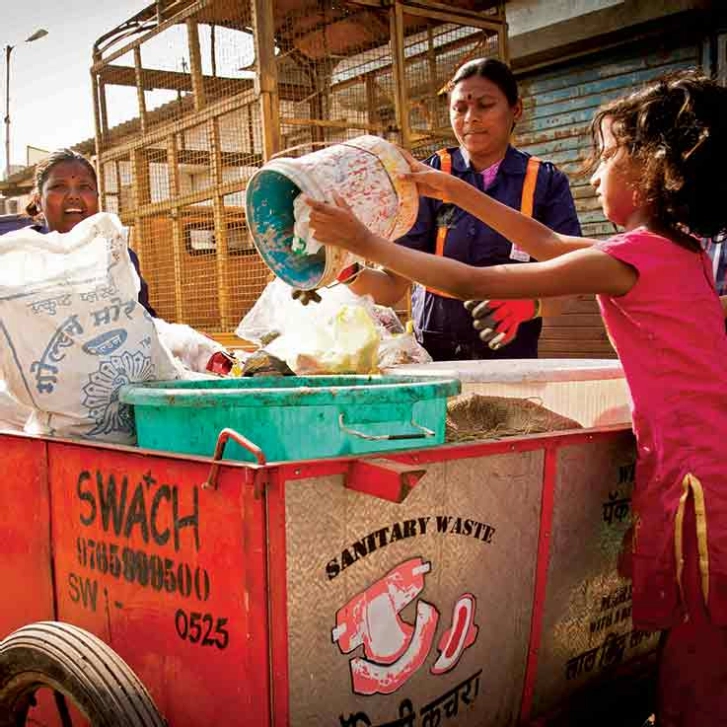
India’s first and largest waste-picker cooperative has inspired community-wide recycling and sustainable living.
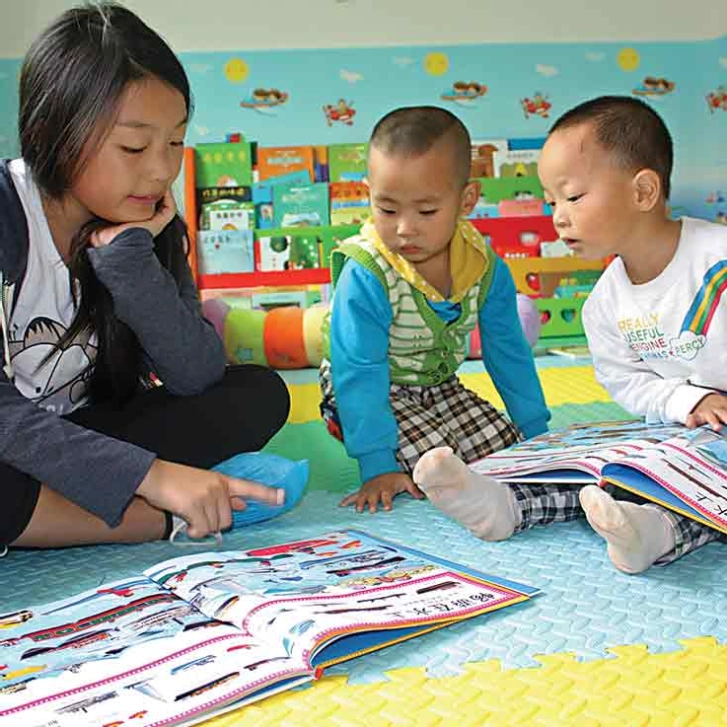
Stanford University’s Rural Education Action Program has established a one-of-a-kind research collaborative among Chinese, US, and European universities to improve the lot of rural Chinese families. Its success shows the potential of applying scientific methods to development and forging global partnerships for social impact.


Large-scale social change requires broad cross-sector coordination, not the isolated intervention of individual organizations.

With an understanding of these 10 funding models, nonprofit leaders can use the for-profit world's valuable practice of engaging in succinct and clear conversations about long-term financial strategy.

Professionalism has become coded language for white favoritism in workplace practices that more often than not leave behind people of color. This is the fourth of 10 articles in a special series about diversity, equity, and inclusion.

By working closely with the clients and consumers, design thinking allows high-impact solutions to social problems to bubble up from below rather than being imposed from the top.

Five principles based in social science that will help organizations connect their work to what people care most about.