


A Baby Boomer and a Gen Zer Walk Into a Climate Action Meeting
A year of working together in a cross-generational group has taught us how to bridge our divides—and leverage each other’s strengths in the climate fight.
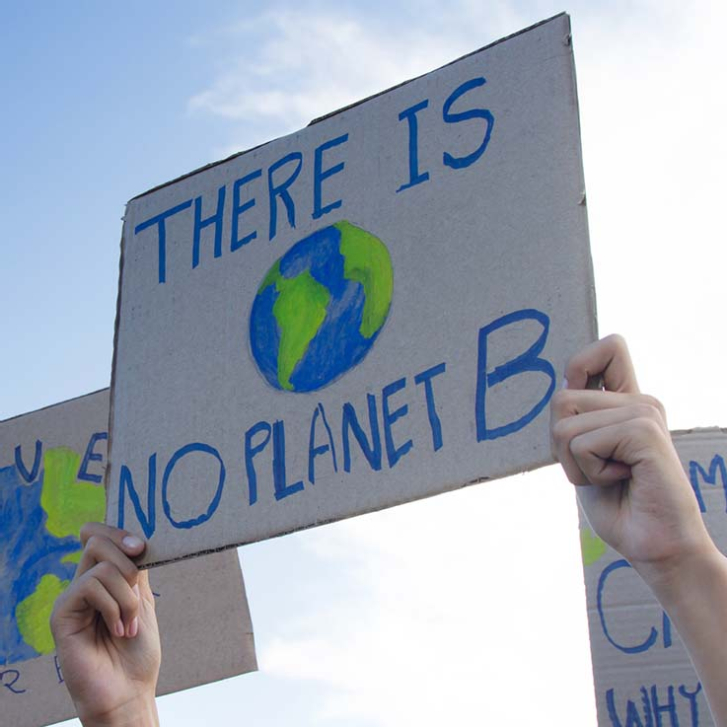
A year of working together in a cross-generational group has taught us how to bridge our divides—and leverage each other’s strengths in the climate fight.

A wave of big-bet grants has left some funders asking whether recipient organizations still “need” their money. That’s always the wrong question.

Leaders of the Aspen Institute Forum for Community Solutions’ Opportunity Youth Forum share lessons from a decade of work achieving better outcomes for young people.
Three areas where philanthropic funders can partner with government on infrastructure investments to advance equity in the United States.

Collective impact efforts must prioritize working together in more relational ways to find systemic solutions to social problems.


Funders are calling for more program evaluation, but nonprofits are often collecting dubious data, at great cost to themselves and ultimately to the people they serve.

Large-scale social change requires broad cross-sector coordination, not the isolated intervention of individual organizations.

For NGOs, impact comes in different forms and to track the cycles of social change work, we must think across the tangibility and the speed of emergence of change.

With an understanding of these 10 funding models, nonprofit leaders can use the for-profit world's valuable practice of engaging in succinct and clear conversations about long-term financial strategy.

Professionalism has become coded language for white favoritism in workplace practices that more often than not leave behind people of color. This is the fourth of 10 articles in a special series about diversity, equity, and inclusion.