


What ‘Cash Plus’ Programs Teach Us About Fighting Extreme Poverty
Years of implementing, studying, and iterating on cash transfer programs have revealed some important lessons about achieving long-term impact.

Years of implementing, studying, and iterating on cash transfer programs have revealed some important lessons about achieving long-term impact.
A collective giving approach to philanthropy, often translated into giving circles, brings people together to focus on community needs and community-driven solutions. This episode of Giving With Impact explores this people-centered approach to philanthropy. A sponsored podcast developed with the support of DAFgiving360.
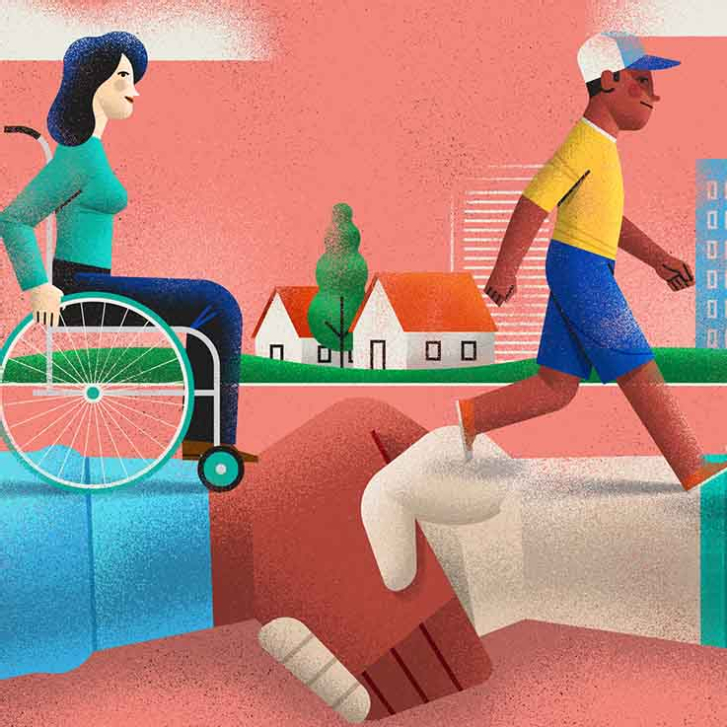
Four ways funders of collective impact efforts can help foster trust to strengthen collaboration and achieve greater impact.
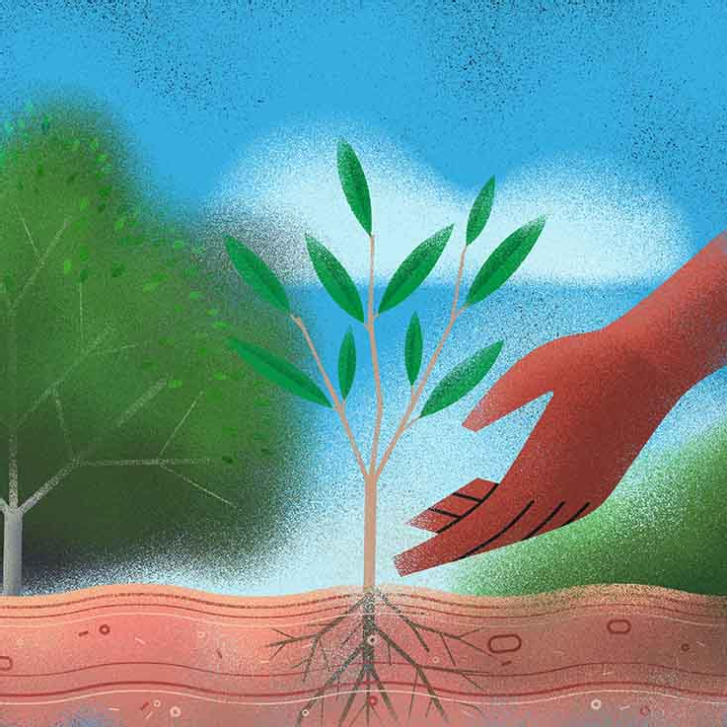
A look at how the Tamarack Institute united the efforts of local collective impact initiatives across Canada to accelerate systems change in support of a living wage.

Transitioning businesses to employee ownership has the potential to significantly reduce the overall wealth gap as well as the racial equity gap. But it will take capital investment to scale.


Funders are calling for more program evaluation, but nonprofits are often collecting dubious data, at great cost to themselves and ultimately to the people they serve.

Large-scale social change requires broad cross-sector coordination, not the isolated intervention of individual organizations.

For NGOs, impact comes in different forms and to track the cycles of social change work, we must think across the tangibility and the speed of emergence of change.

With an understanding of these 10 funding models, nonprofit leaders can use the for-profit world's valuable practice of engaging in succinct and clear conversations about long-term financial strategy.

Professionalism has become coded language for white favoritism in workplace practices that more often than not leave behind people of color. This is the fourth of 10 articles in a special series about diversity, equity, and inclusion.