


sponsored
There Is No Justice That Neglects Disability
Achieving diversity, equity, and inclusion means putting disability justice in every policy discussion and making it part of the continuing struggle for civil rights.
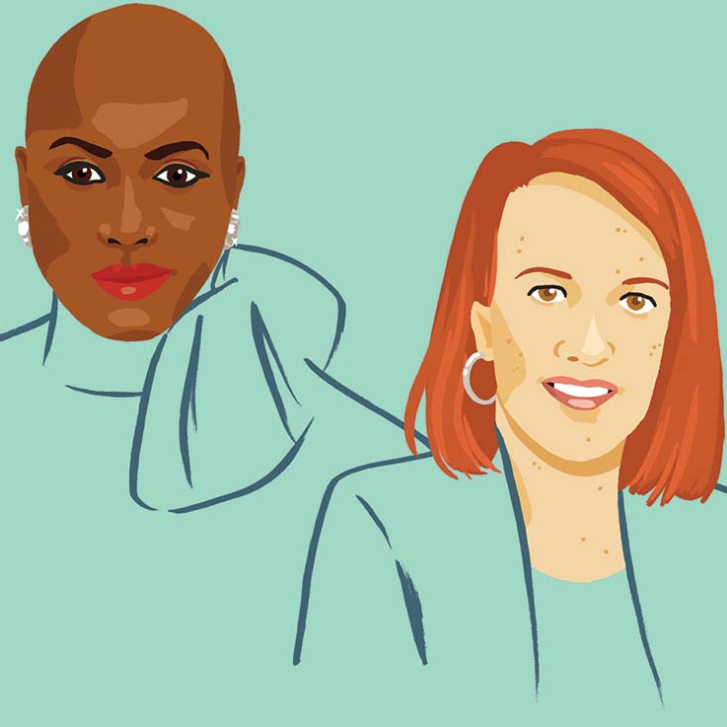
Achieving diversity, equity, and inclusion means putting disability justice in every policy discussion and making it part of the continuing struggle for civil rights.

Developing active listening techniques is essential to creating understanding and the authentic relationships necessary for social change.

If philanthropy is to build a more just and equal society, it must combat ableism in its own institutions and practices.

A decade of applying the collective impact approach to address social problems has taught us that equity is central to the work.

A new generation of scientists and community activists is committed to making science more democratic and equitable.


Funders are calling for more program evaluation, but nonprofits are often collecting dubious data, at great cost to themselves and ultimately to the people they serve.

Large-scale social change requires broad cross-sector coordination, not the isolated intervention of individual organizations.
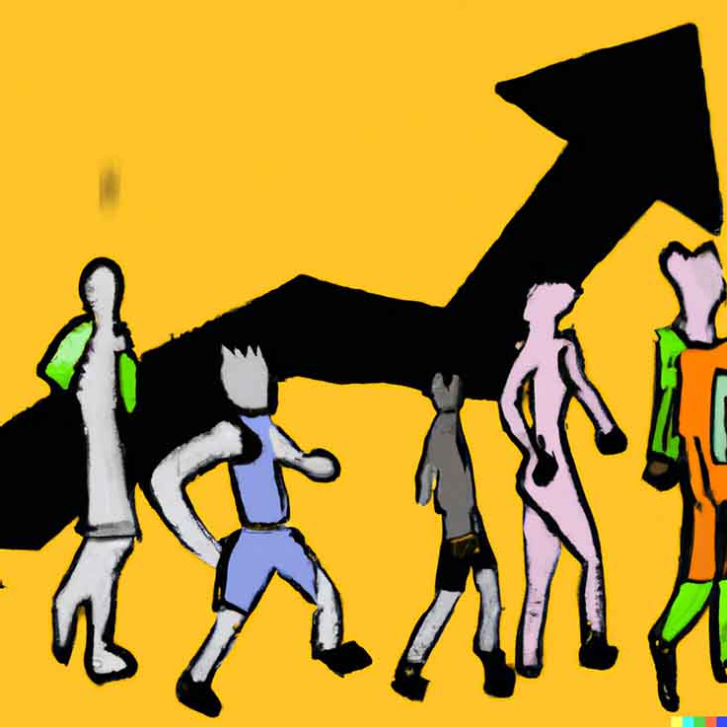
For NGOs, impact comes in different forms and to track the cycles of social change work, we must think across the tangibility and the speed of emergence of change.

With an understanding of these 10 funding models, nonprofit leaders can use the for-profit world's valuable practice of engaging in succinct and clear conversations about long-term financial strategy.

Professionalism has become coded language for white favoritism in workplace practices that more often than not leave behind people of color. This is the fourth of 10 articles in a special series about diversity, equity, and inclusion.