


Transformative Philanthropy for Racial Justice
We created the Democracy Frontlines Fund to enable experienced anti-racist organizers to do their crucial work. They taught us how to do philanthropy better.
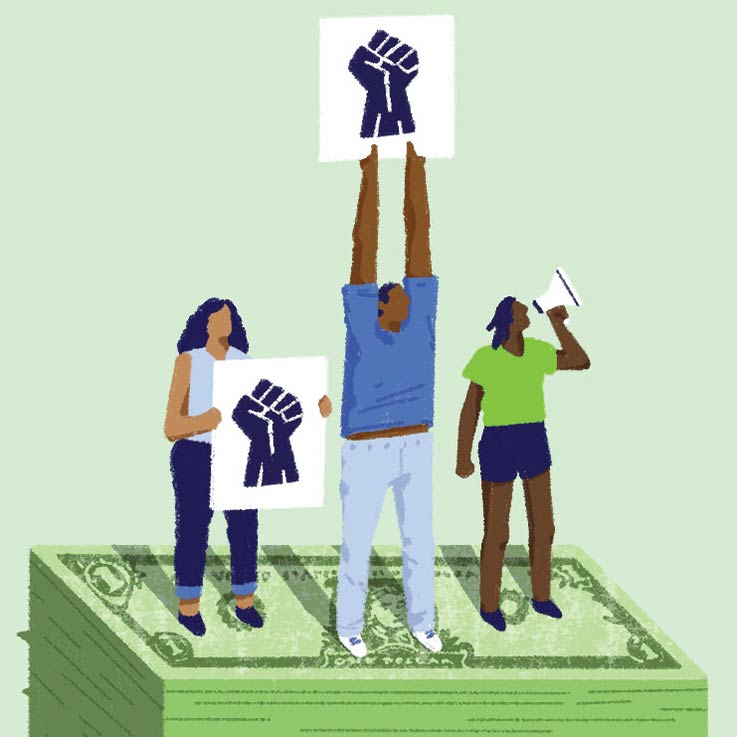
We created the Democracy Frontlines Fund to enable experienced anti-racist organizers to do their crucial work. They taught us how to do philanthropy better.

Activists use moral analogies with rogue industries and states to stigmatize fossil fuels.

The hacktivist collective built a framework to encourage and guide participation without direct oversight.

Partnerships between nonprofit service providers and government agencies to address homelessness are more effective when the former play a leading role.
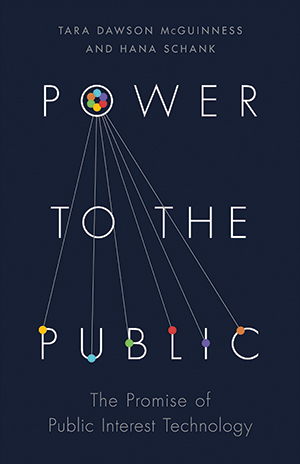
In Power to the Public, Tara Dawson McGuinness and Hana Schank make the case for renovating government and policymaking with 21st-century digital technology.


Funders are calling for more program evaluation, but nonprofits are often collecting dubious data, at great cost to themselves and ultimately to the people they serve.

Large-scale social change requires broad cross-sector coordination, not the isolated intervention of individual organizations.

For NGOs, impact comes in different forms and to track the cycles of social change work, we must think across the tangibility and the speed of emergence of change.

With an understanding of these 10 funding models, nonprofit leaders can use the for-profit world's valuable practice of engaging in succinct and clear conversations about long-term financial strategy.

Professionalism has become coded language for white favoritism in workplace practices that more often than not leave behind people of color. This is the fourth of 10 articles in a special series about diversity, equity, and inclusion.