


Nonprofits in the Era of Stakeholder Capitalism
The growth of double bottom line and impact investing can give nonprofits new ways to raise funds and opportunities to grow their influence.

The growth of double bottom line and impact investing can give nonprofits new ways to raise funds and opportunities to grow their influence.

Impact investing needs more than just “evidence” of impact; we need continuous “impact performance” data that is dynamic, fluid, and iterated upon.

Disability is a relatively untapped area of investment for philanthropy, but one that offers promise of change and multiple avenues for donor impact.

As the United States struggles to vaccinate everyone in the nation, governments and community-based organizations trying to eliminate barriers to access for high-risk, rural, and remote communities must consider geography, partnerships, language, schedules, and technology.
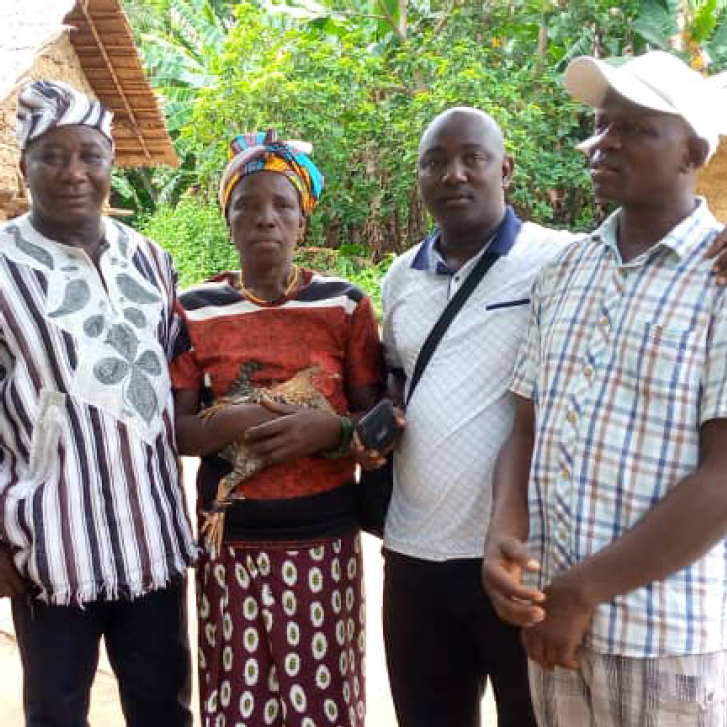
Namati provides legal knowledge to communities around the world to help them defend their land, environmental, and other civil rights against abuse by commercial and political aggressors.


Funders are calling for more program evaluation, but nonprofits are often collecting dubious data, at great cost to themselves and ultimately to the people they serve.

Large-scale social change requires broad cross-sector coordination, not the isolated intervention of individual organizations.
For NGOs, impact comes in different forms and to track the cycles of social change work, we must think across the tangibility and the speed of emergence of change.

With an understanding of these 10 funding models, nonprofit leaders can use the for-profit world's valuable practice of engaging in succinct and clear conversations about long-term financial strategy.

Professionalism has become coded language for white favoritism in workplace practices that more often than not leave behind people of color. This is the fourth of 10 articles in a special series about diversity, equity, and inclusion.