


The Next Chapter in Design for Social Innovation
To address more complex social challenges, design thinking must become radically more collaborative and oriented toward systems change.

To address more complex social challenges, design thinking must become radically more collaborative and oriented toward systems change.

Community health workers at the front lines of the pandemic are providing essential care for underserved populations.

Employees increasingly want their employers to become more responsible corporate citizens. Here is a playbook for how employees can be effective change agents and how leaders can respond to employee activism.
Open-access to this article made possible by The Pennsylvania State University and The University of Washington.

In an effort to save the bees and buttress the global food supply, Edete, an Israel-based agricultural technology company, has set out to reduce the strain on bees by assisting them with crop pollination.
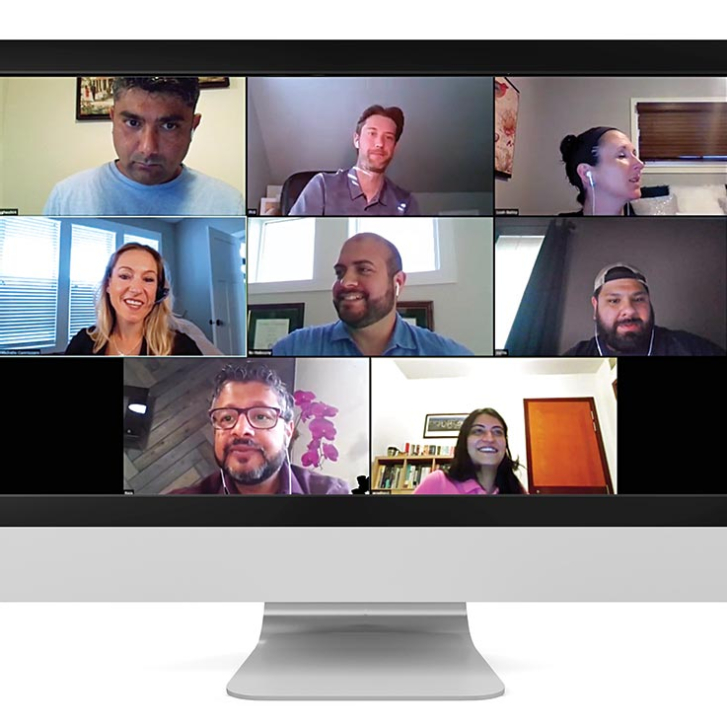
As the pandemic forces everyone to work remotely, employees are taking their activism and volunteerism online.


Funders are calling for more program evaluation, but nonprofits are often collecting dubious data, at great cost to themselves and ultimately to the people they serve.

Large-scale social change requires broad cross-sector coordination, not the isolated intervention of individual organizations.
For NGOs, impact comes in different forms and to track the cycles of social change work, we must think across the tangibility and the speed of emergence of change.

With an understanding of these 10 funding models, nonprofit leaders can use the for-profit world's valuable practice of engaging in succinct and clear conversations about long-term financial strategy.

Professionalism has become coded language for white favoritism in workplace practices that more often than not leave behind people of color. This is the fourth of 10 articles in a special series about diversity, equity, and inclusion.