


Safeguarding Atheist Refugees
A Germany-based nonprofit is helping ex-Muslim asylum seekers find shelter from religious persecution.
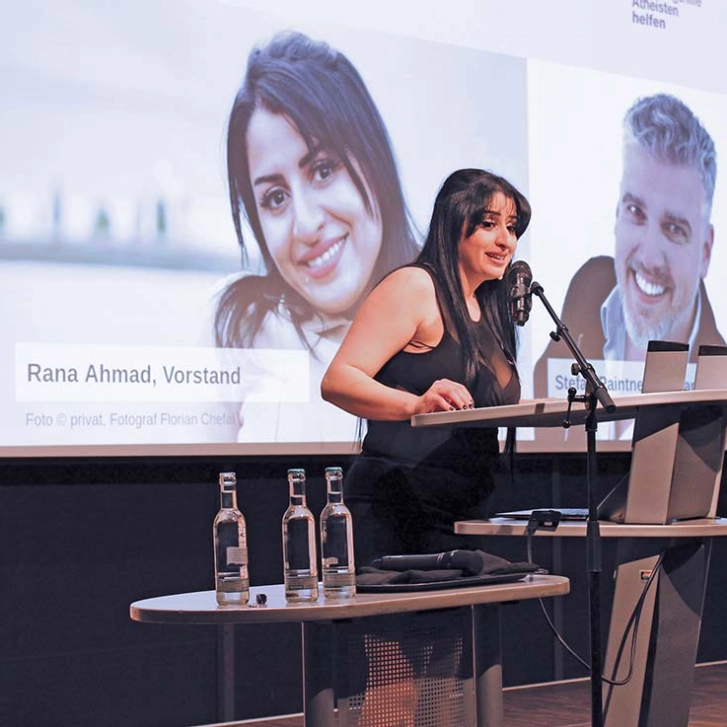
A Germany-based nonprofit is helping ex-Muslim asylum seekers find shelter from religious persecution.
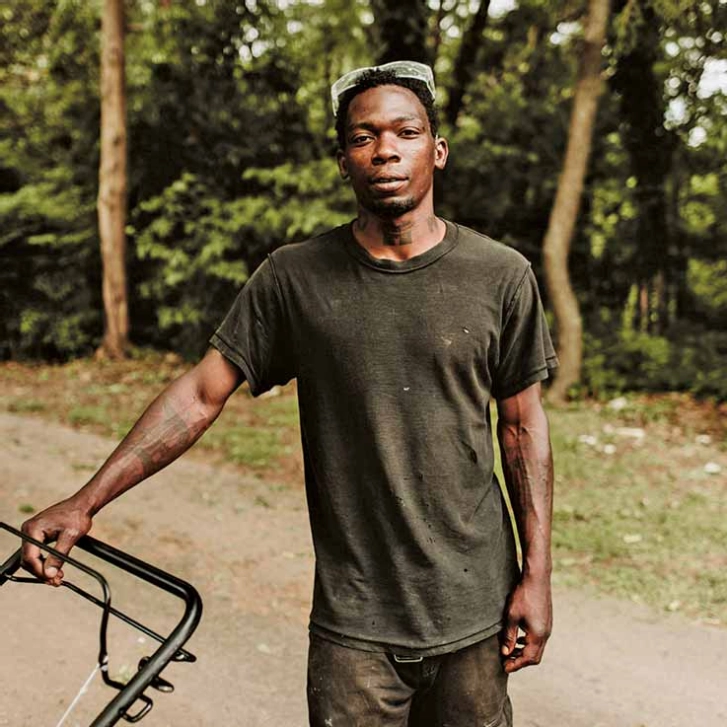
The Good Returns Cycle Program aims to supplement corporate philanthropy by unlocking profits to help social enterprises.

Commercial national charities and community foundations should refuse requests by donor-advisors to give to hate groups.

The social sector will flourish through embracing less patriarchal and more collaborative approaches that focus on long-term systemic change.

Stereotypes cloud our perception of the informal economy, but we have much to learn from the entrepreneurship that unfolds there.


Funders are calling for more program evaluation, but nonprofits are often collecting dubious data, at great cost to themselves and ultimately to the people they serve.

Large-scale social change requires broad cross-sector coordination, not the isolated intervention of individual organizations.
For NGOs, impact comes in different forms and to track the cycles of social change work, we must think across the tangibility and the speed of emergence of change.

With an understanding of these 10 funding models, nonprofit leaders can use the for-profit world's valuable practice of engaging in succinct and clear conversations about long-term financial strategy.

Professionalism has become coded language for white favoritism in workplace practices that more often than not leave behind people of color. This is the fourth of 10 articles in a special series about diversity, equity, and inclusion.