How One National Nonprofit Is Adapting to COVID-19
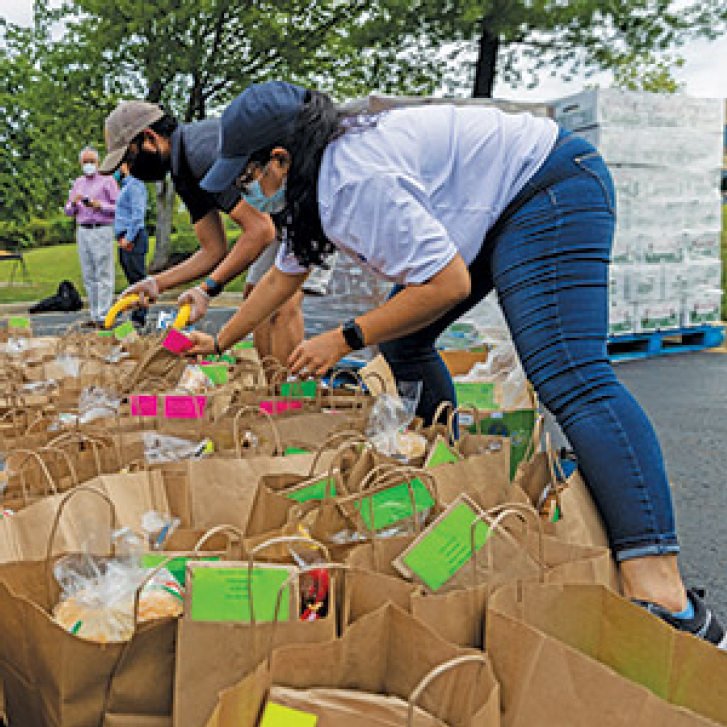
Lessons learned at Friends of the Children about maintaining stability in service during this crisis and the next one.
Uncovering invisible patterns in vast datasets cannot only automate a variety of tasks, freeing up people to do more valuable and creative work that machines can’t do, but provide new kinds of learning.
The public radio and television station KQED has thrived amid a tumultuous period in the media industry by using technology and data to optimize the delivery of its grassroots journalism and improve relationships with its listeners. Part of a series produced with the support of Salesforce.
An excerpt from The Forever Transaction examines how Under Amour transformed its business by going online.
How Tulane University rebuilt from Hurricane Katrina with a renewed commitment to embedding social innovation and community engagement at the core of its mission. Part of Innovating Higher Education for the Greater Good, a new series from SSIR and Ashoka U.
Funders are calling for more program evaluation, but nonprofits are often collecting dubious data, at great cost to themselves and ultimately to the people they serve.
Large-scale social change requires broad cross-sector coordination, not the isolated intervention of individual organizations.
For NGOs, impact comes in different forms and to track the cycles of social change work, we must think across the tangibility and the speed of emergence of change.
With an understanding of these 10 funding models, nonprofit leaders can use the for-profit world's valuable practice of engaging in succinct and clear conversations about long-term financial strategy.
Professionalism has become coded language for white favoritism in workplace practices that more often than not leave behind people of color. This is the fourth of 10 articles in a special series about diversity, equity, and inclusion.