


Civic Power
An excerpt from a new book on rebuilding American democracy in an era of crisis.
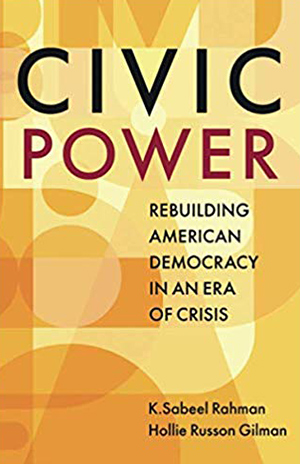
An excerpt from a new book on rebuilding American democracy in an era of crisis.
Good civic health looks like people making meaningful connections with their neighbors, public officials, and contributing to governance decision-making. But what will become of civic life during COVID-19 Part of the series Rethinking Social Change in the Face of Coronavirus.
Nonprofit leaders should think less about the technology and more about the people who will use it and the goals they hope to achieve. Part of a series produced with the support of Salesforce.
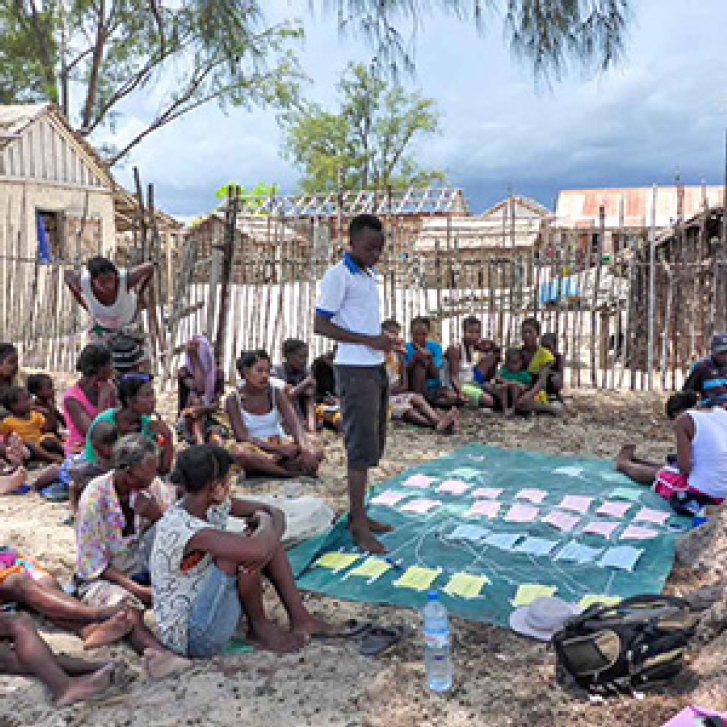
Conventional routes to scaling impact don’t always work. Conservation nonprofits and social ventures should be wary of the lure of a large partner and consider replicating from the grassroots instead.

Corporate America has never been more committed to volunteering, but connecting the talent of the private sector with the needs of the social sector—at scale—can’t happen without a network to bring them together. Here is how an unlikely coalition of CSR leaders is opening up closed platforms to create better cross-sector solutions.


Funders are calling for more program evaluation, but nonprofits are often collecting dubious data, at great cost to themselves and ultimately to the people they serve.

Large-scale social change requires broad cross-sector coordination, not the isolated intervention of individual organizations.
For NGOs, impact comes in different forms and to track the cycles of social change work, we must think across the tangibility and the speed of emergence of change.

With an understanding of these 10 funding models, nonprofit leaders can use the for-profit world's valuable practice of engaging in succinct and clear conversations about long-term financial strategy.

Professionalism has become coded language for white favoritism in workplace practices that more often than not leave behind people of color. This is the fourth of 10 articles in a special series about diversity, equity, and inclusion.