


Cultivating, Not Just Calculating, Social Impact
A new impact investing metric can not only help investors estimate the social impact of their investments, but also foster more thoughtful strategies for promoting social and environmental good.

A new impact investing metric can not only help investors estimate the social impact of their investments, but also foster more thoughtful strategies for promoting social and environmental good.

Without bringing more rigor and resources to scaling impact efforts, the do-good industry will never make the exponential leaps needed to bring social innovations to millions of people.

Nurse-Family Partnership has institutionalized the practice of gathering end-user and partner feedback, influencing changes to its systems, services, and business model. Part of a series produced for SSIR with the support of the Hewlett Foundation.
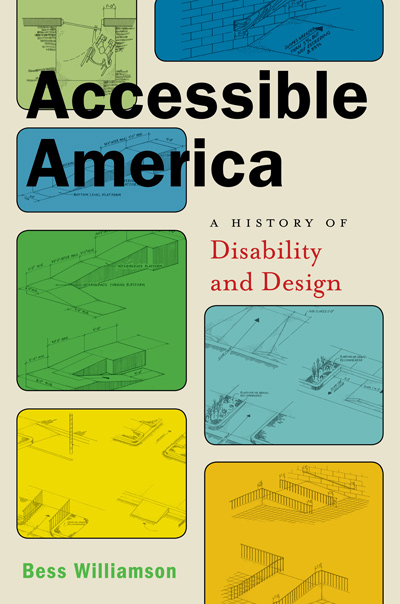
An excerpt of Bess Williamson’s Accessible America shows how accessible design is innovative and inclusive.

There is no single path to successful digital philanthropy in China, but a new study provides six questions that stakeholders should ask themselves as they begin to develop their strategies.


Funders are calling for more program evaluation, but nonprofits are often collecting dubious data, at great cost to themselves and ultimately to the people they serve.

Large-scale social change requires broad cross-sector coordination, not the isolated intervention of individual organizations.
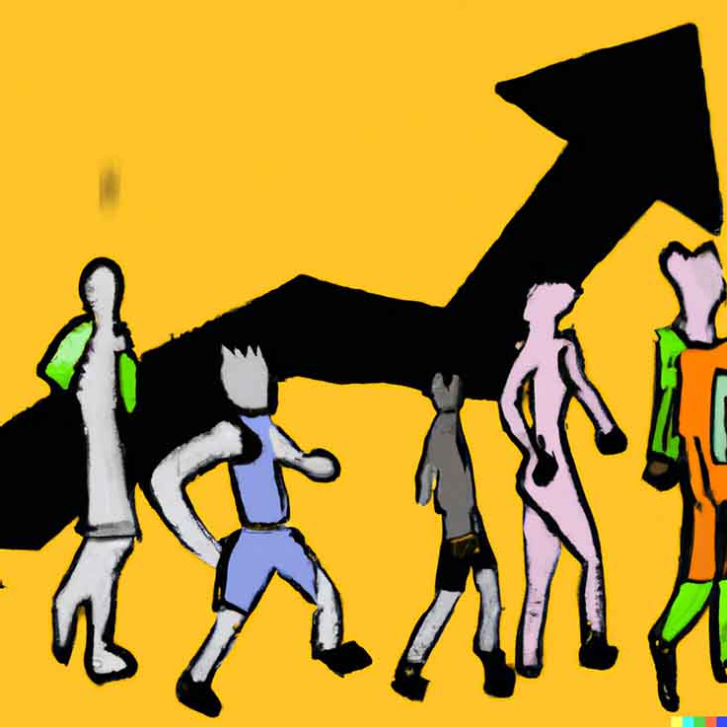
For NGOs, impact comes in different forms and to track the cycles of social change work, we must think across the tangibility and the speed of emergence of change.

With an understanding of these 10 funding models, nonprofit leaders can use the for-profit world's valuable practice of engaging in succinct and clear conversations about long-term financial strategy.

Professionalism has become coded language for white favoritism in workplace practices that more often than not leave behind people of color. This is the fourth of 10 articles in a special series about diversity, equity, and inclusion.