Want Your Big Bet to Pay Off? Don’t Forget About Government Capacity
Why global philanthropists can no longer afford to overlook the importance of supporting government capacity in developing countries—and what they can do about it.

Why global philanthropists can no longer afford to overlook the importance of supporting government capacity in developing countries—and what they can do about it.
How collaboration between nonprofit evaluators and organizational consultants can increase efficiency and lead to deeper results.
Lessons from a lifetime of leadership on the importance of finding common ground and fostering a culture of collaboration.

Highlights from the magazine and website.
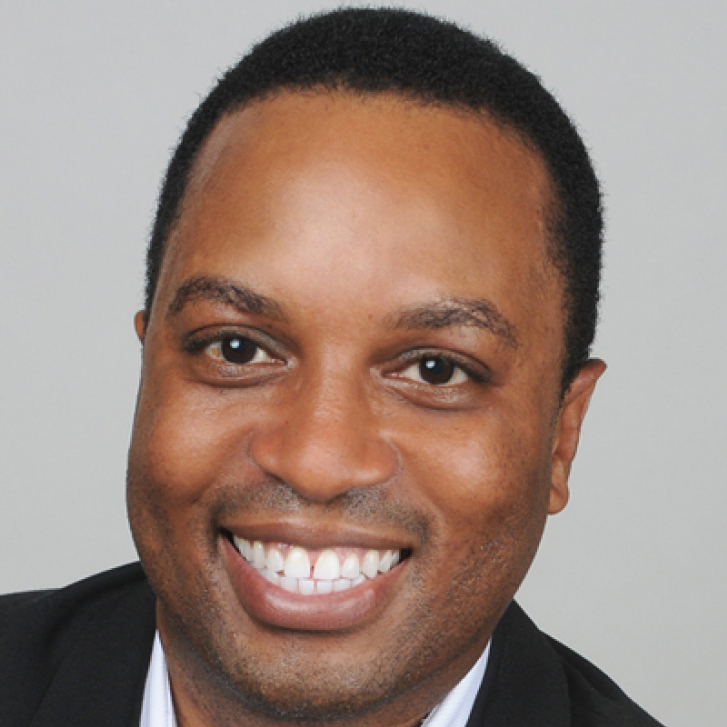
PolicyLink President Michael McAfee shares how he “lives” the work of equity by promoting just and fair inclusion to help form a society in which all can participate, prosper, and reach their full potential.


Funders are calling for more program evaluation, but nonprofits are often collecting dubious data, at great cost to themselves and ultimately to the people they serve.

Large-scale social change requires broad cross-sector coordination, not the isolated intervention of individual organizations.

For NGOs, impact comes in different forms and to track the cycles of social change work, we must think across the tangibility and the speed of emergence of change.

With an understanding of these 10 funding models, nonprofit leaders can use the for-profit world's valuable practice of engaging in succinct and clear conversations about long-term financial strategy.

Professionalism has become coded language for white favoritism in workplace practices that more often than not leave behind people of color. This is the fourth of 10 articles in a special series about diversity, equity, and inclusion.