
Our Gutenberg Moment
Lessons from the deep past can help us shape what’s to come.
Lessons from the deep past can help us shape what’s to come.
The right support can put the nation’s most vulnerable students on track to graduate high school prepared for postsecondary school, but efforts to secure evidence of what works are currently too burdensome.

Ways to avoid some all-too-common pitfalls of nonprofit technology, and organizing for success in a new political environment. Part of a partnership with Tony Martignetti Nonprofit Radio.
This spring, community foundations around the country will host one-day, online giving campaigns for nonprofits in their regions. But the model needs an overhaul if it’s going to benefit more than the community foundations themselves.
A group of diverse funders, business leaders, and practitioners are looking to quantify the potential of social design—the application of design methodologies to solutions for complex human problems—to improve lives.


Funders are calling for more program evaluation, but nonprofits are often collecting dubious data, at great cost to themselves and ultimately to the people they serve.

Large-scale social change requires broad cross-sector coordination, not the isolated intervention of individual organizations.
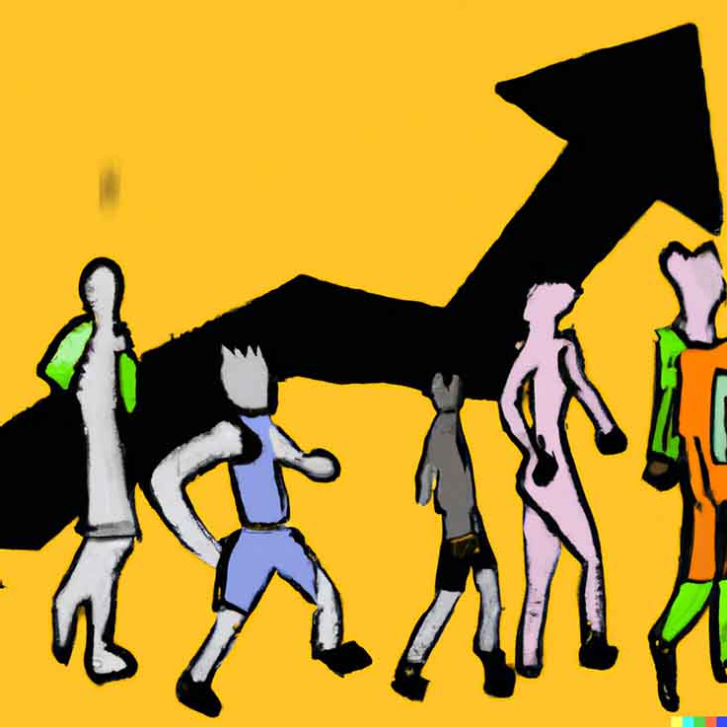
For NGOs, impact comes in different forms and to track the cycles of social change work, we must think across the tangibility and the speed of emergence of change.

With an understanding of these 10 funding models, nonprofit leaders can use the for-profit world's valuable practice of engaging in succinct and clear conversations about long-term financial strategy.

Professionalism has become coded language for white favoritism in workplace practices that more often than not leave behind people of color. This is the fourth of 10 articles in a special series about diversity, equity, and inclusion.