
Diving In: Nonprofits, NGOs, and Design
A dialogue about how nonprofits can do a better job integrating design thinking into their work.
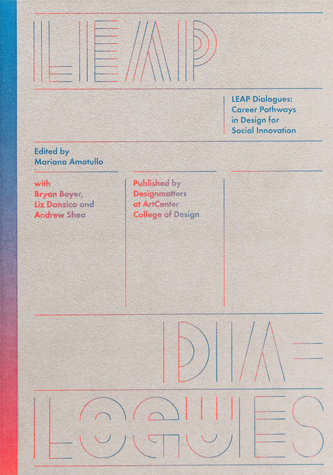
A dialogue about how nonprofits can do a better job integrating design thinking into their work.
Including grantees in decision-making, program-building, and strategy is critical to effective social impact. While the things grantmakers “do” are important, authentic inclusion also requires that they embrace a new mindset.
Taking chances, setting high standards, making long-term commitments to improvements, and defining and then measuring success can put nonprofits, NGOs, and foundations in a better position to draw in supporters of all kinds.

This multi-part series, produced in partnership with Grantmakers for Effective Organizations, tells the story of why and how grantee inclusion is key to effective philanthropy, from both the funder and nonprofit perspectives.
The Atlantic Philanthropies and its network of partners are using advocacy and communications to end capital punishment in the United States once and for all.


Funders are calling for more program evaluation, but nonprofits are often collecting dubious data, at great cost to themselves and ultimately to the people they serve.

Large-scale social change requires broad cross-sector coordination, not the isolated intervention of individual organizations.
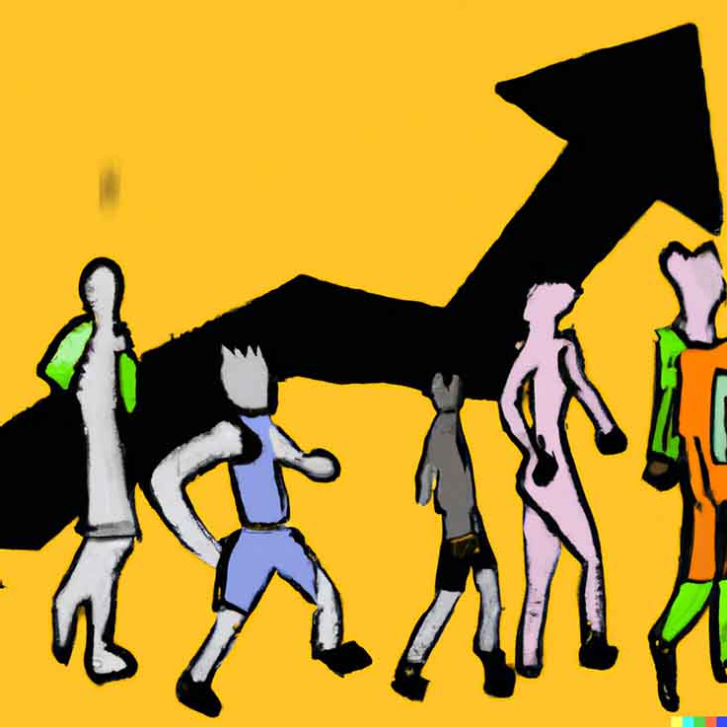
For NGOs, impact comes in different forms and to track the cycles of social change work, we must think across the tangibility and the speed of emergence of change.

With an understanding of these 10 funding models, nonprofit leaders can use the for-profit world's valuable practice of engaging in succinct and clear conversations about long-term financial strategy.

Professionalism has become coded language for white favoritism in workplace practices that more often than not leave behind people of color. This is the fourth of 10 articles in a special series about diversity, equity, and inclusion.