


More Power, Less Cohesion
People who rise within a hierarchy often develop qualities that make it hard for them work together in groups.

People who rise within a hierarchy often develop qualities that make it hard for them work together in groups.

In a hybrid organization, the trade-offs between social and commercial goals are real—and they require careful management.

The response by US foundations to federal welfare reform in the 1990s illuminates their role in policy development.

Iris Bohnet reminds us that we all have our biases—and suggests ways that we might overcome them.
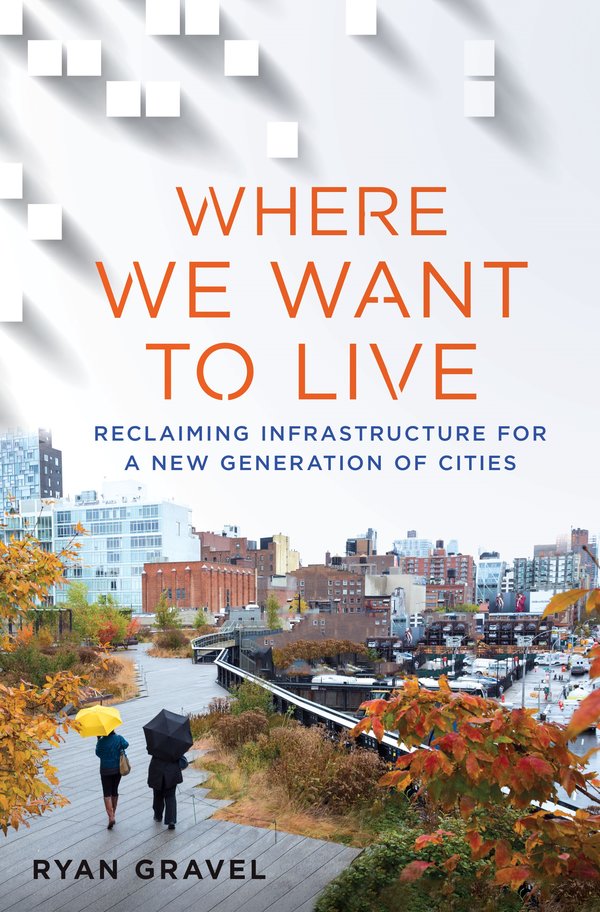
How citizens can push back against urban sprawl and create vibrant, interconnected communities.


Funders are calling for more program evaluation, but nonprofits are often collecting dubious data, at great cost to themselves and ultimately to the people they serve.

Large-scale social change requires broad cross-sector coordination, not the isolated intervention of individual organizations.

For NGOs, impact comes in different forms and to track the cycles of social change work, we must think across the tangibility and the speed of emergence of change.

With an understanding of these 10 funding models, nonprofit leaders can use the for-profit world's valuable practice of engaging in succinct and clear conversations about long-term financial strategy.

Professionalism has become coded language for white favoritism in workplace practices that more often than not leave behind people of color. This is the fourth of 10 articles in a special series about diversity, equity, and inclusion.