


Building Bridges
Ending poverty is beyond the reach of any single sector or actor

Ending poverty is beyond the reach of any single sector or actor
20Under40: Re-Inventing the Arts and Arts Education for the 21st Century Edited by Edward P. Clapp
Give Smart: Philanthropy That Gets Results by Tom Tierney & Joel L. Fleishman

Large-scale social change requires broad cross-sector coordination, not the isolated intervention of individual organizations.
Conversations Network Executive Direct Doug Kaye share the story of his trip to Egypt as the country began its possible revolution


Funders are calling for more program evaluation, but nonprofits are often collecting dubious data, at great cost to themselves and ultimately to the people they serve.
Large-scale social change requires broad cross-sector coordination, not the isolated intervention of individual organizations.
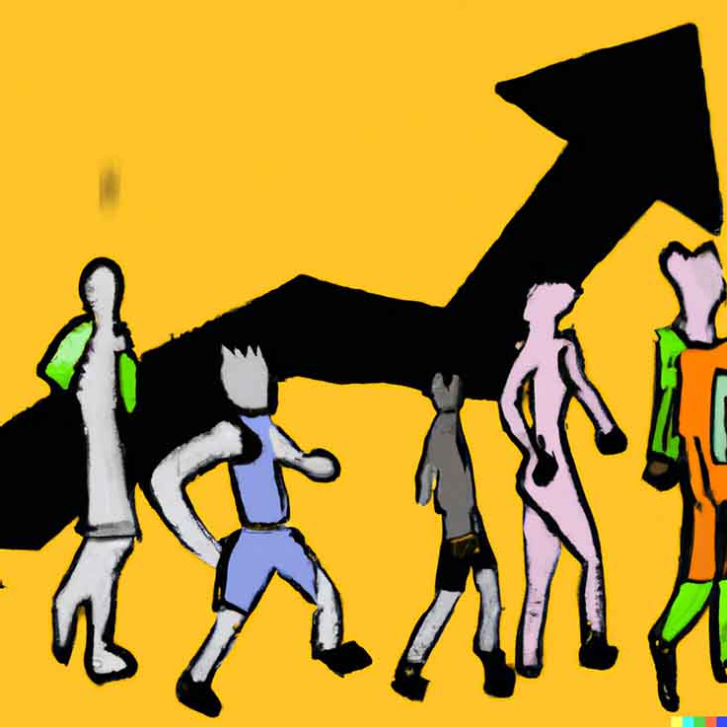
For NGOs, impact comes in different forms and to track the cycles of social change work, we must think across the tangibility and the speed of emergence of change.

With an understanding of these 10 funding models, nonprofit leaders can use the for-profit world's valuable practice of engaging in succinct and clear conversations about long-term financial strategy.

Professionalism has become coded language for white favoritism in workplace practices that more often than not leave behind people of color. This is the fourth of 10 articles in a special series about diversity, equity, and inclusion.