Embracing Practical Solutions
A $25 baby warmer might stop the tragedy of 450 low-birth-weight babies dying every hour in the developing world.
A $25 baby warmer might stop the tragedy of 450 low-birth-weight babies dying every hour in the developing world.
In a new playground in Manhattan, "play associates" will encourage youthful creativity while reminding parents and nannies to take a giant step back.
From warring political parties comes broad-based policymaking.
Donors are getting exactly what they want from their charitable giving—the market is efficient, even highly so.
Early Learning Ventures Alliances is a community-based partnership model allows small early care providers to share costs and deliver services efficiently.


Funders are calling for more program evaluation, but nonprofits are often collecting dubious data, at great cost to themselves and ultimately to the people they serve.

Large-scale social change requires broad cross-sector coordination, not the isolated intervention of individual organizations.
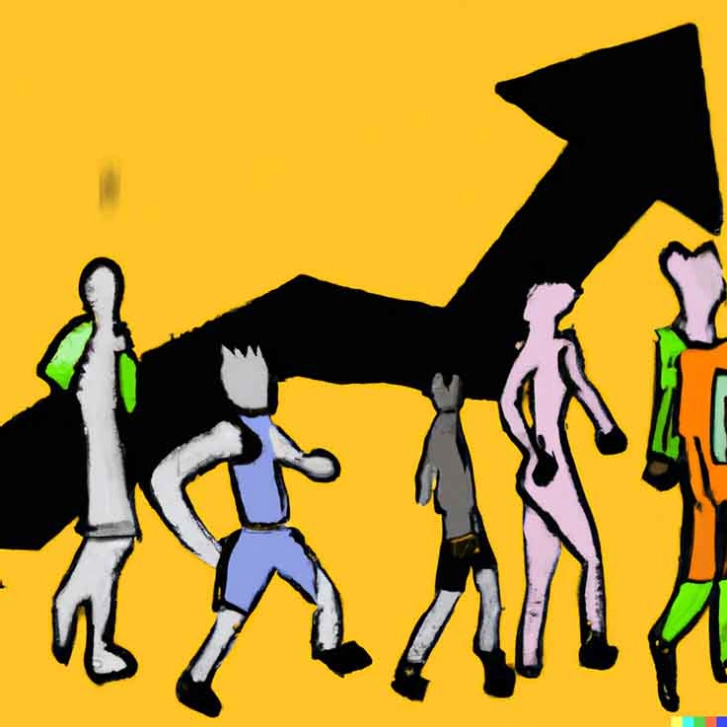
For NGOs, impact comes in different forms and to track the cycles of social change work, we must think across the tangibility and the speed of emergence of change.

With an understanding of these 10 funding models, nonprofit leaders can use the for-profit world's valuable practice of engaging in succinct and clear conversations about long-term financial strategy.

Professionalism has become coded language for white favoritism in workplace practices that more often than not leave behind people of color. This is the fourth of 10 articles in a special series about diversity, equity, and inclusion.