You’re Never Too Young to Change the World
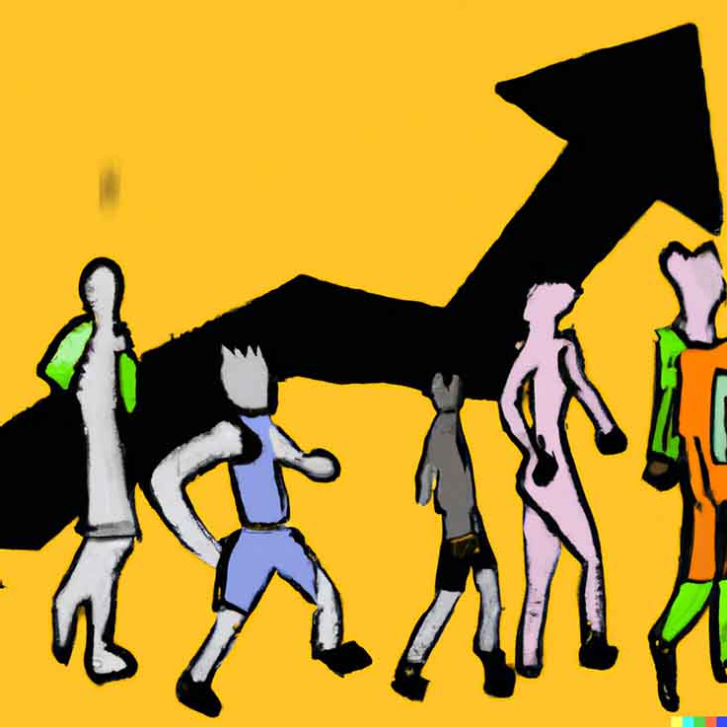
High school kids restore faith in the next generation of social change.
Can environmental sustainability be supported by genetics? In this audio interview, Craig Venter, a pioneer in genetic research, discusses some of his key discoveries that are advancing the state of science in genomics and synthetic life. He shares how, in his current work on DNA programming and building synthetic organisms, he is using the building blocks of life to approach society's most pressing problems such as energy and food.
How can an innovative player in social entrepreneurship enable her exciting new idea to fulfill her dream of changing the world? This panel discussion of successful innovators examines the challenges of replicating and scaling ideas into massive realities of social change. Experts share their varied experience in identifying the important considerations that can grow a successful neighborhood social program into a global social venture.
Board experience proves invaluable to leadership development.
Four high-profile female political professionals discuss Hillary Clinton's candidacy for president in this panel discussion. They cover how her run for office affected the future of women in politics and the benefits and weaknesses of women in political leadership.
Funders are calling for more program evaluation, but nonprofits are often collecting dubious data, at great cost to themselves and ultimately to the people they serve.
Large-scale social change requires broad cross-sector coordination, not the isolated intervention of individual organizations.
For NGOs, impact comes in different forms and to track the cycles of social change work, we must think across the tangibility and the speed of emergence of change.
With an understanding of these 10 funding models, nonprofit leaders can use the for-profit world's valuable practice of engaging in succinct and clear conversations about long-term financial strategy.
Professionalism has become coded language for white favoritism in workplace practices that more often than not leave behind people of color. This is the fourth of 10 articles in a special series about diversity, equity, and inclusion.