


How Movement-Accountable Intermediaries Can Change Philanthropy
Leaders of several intermediary organizations share how they envision their role within—and how they ultimately hope to upend—the philanthropic landscape.

Leaders of several intermediary organizations share how they envision their role within—and how they ultimately hope to upend—the philanthropic landscape.
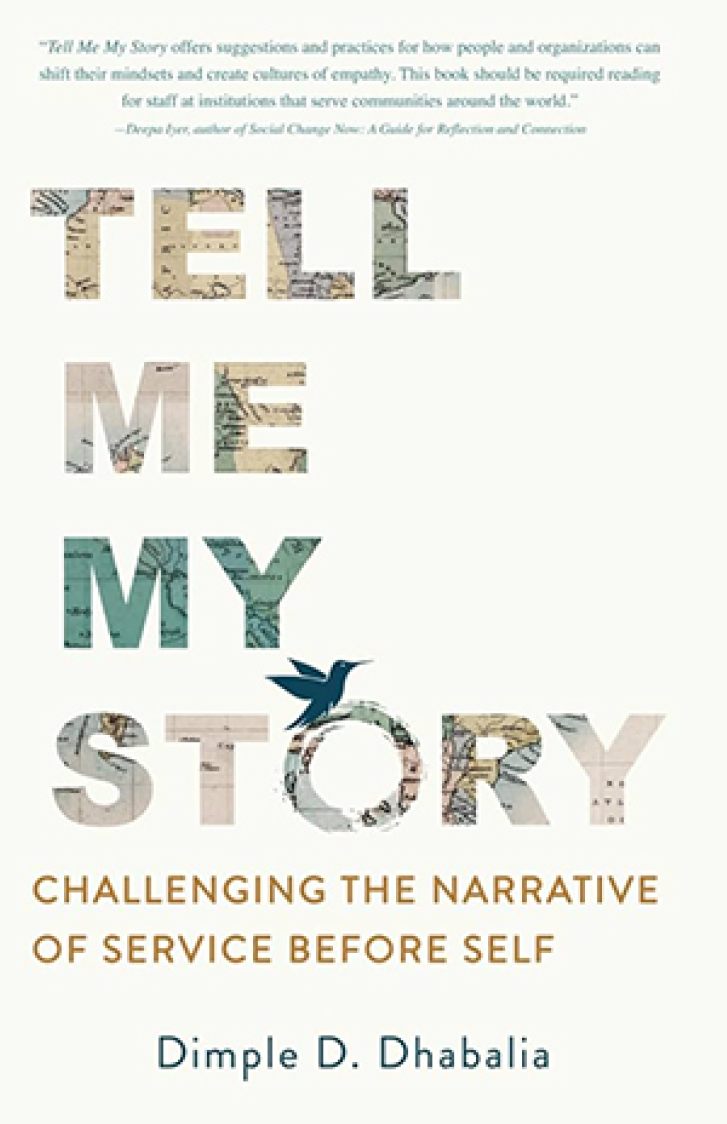
An excerpt from Tell Me My Story on mission-driven workplace cultures that help people heal, serve, and grow
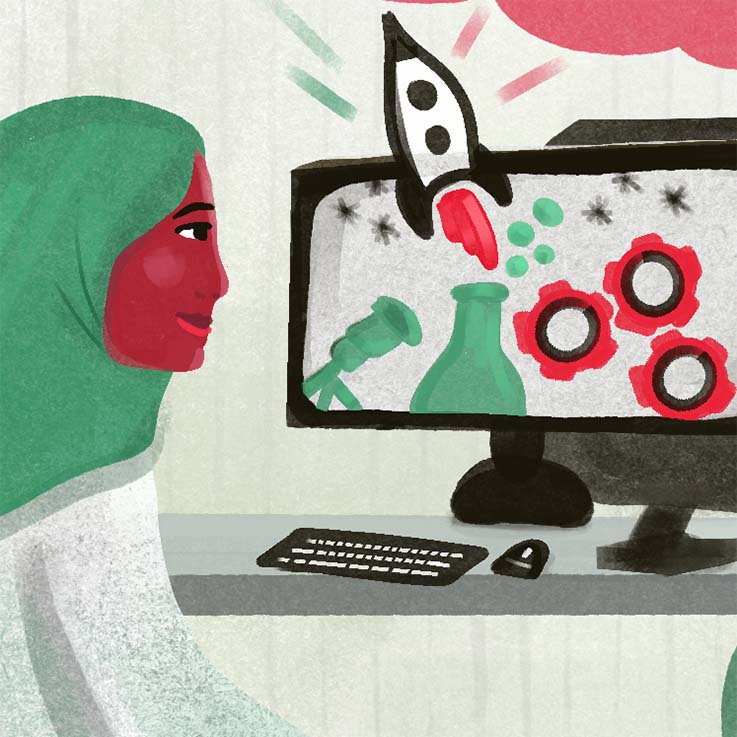
Investments in digital innovation have the potential to greatly expand access to education, but creating new, high-quality, low-cost, and scalable learning platforms requires broad collaboration.

Unrestricted grants produce powerful impacts, but we won’t see more of them until we address the hidden barriers.
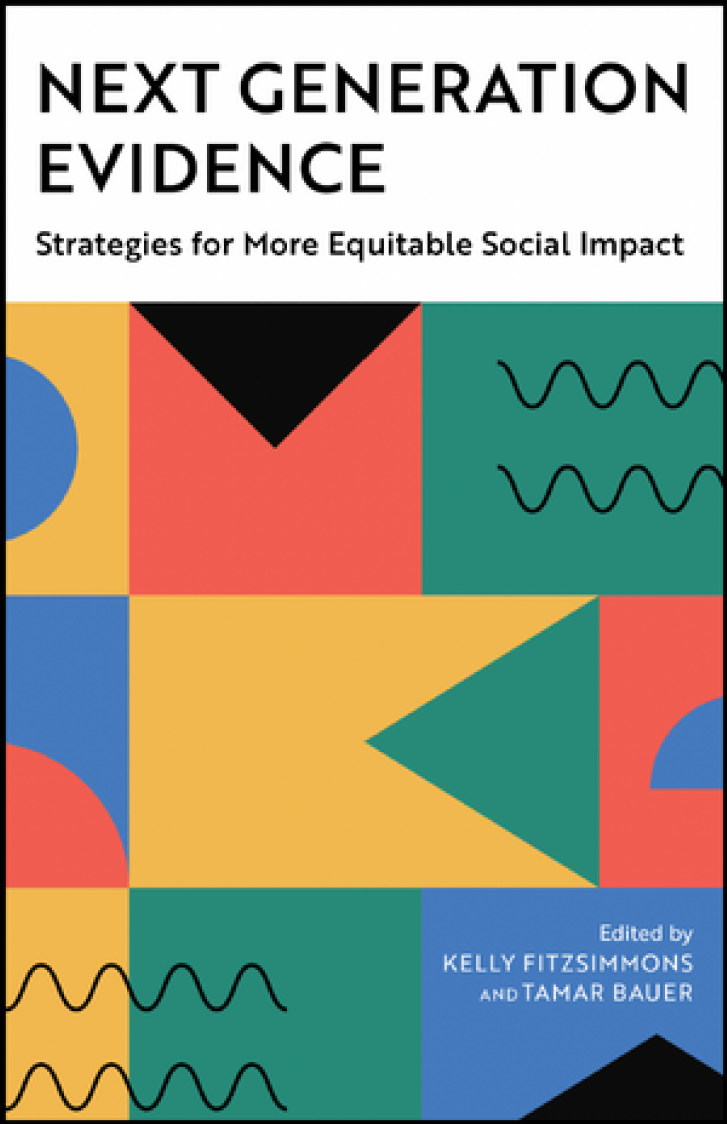
An excerpt from Next Generation Evidence on building social impact through a broader and more inclusive definition of evidence


Funders are calling for more program evaluation, but nonprofits are often collecting dubious data, at great cost to themselves and ultimately to the people they serve.

Large-scale social change requires broad cross-sector coordination, not the isolated intervention of individual organizations.
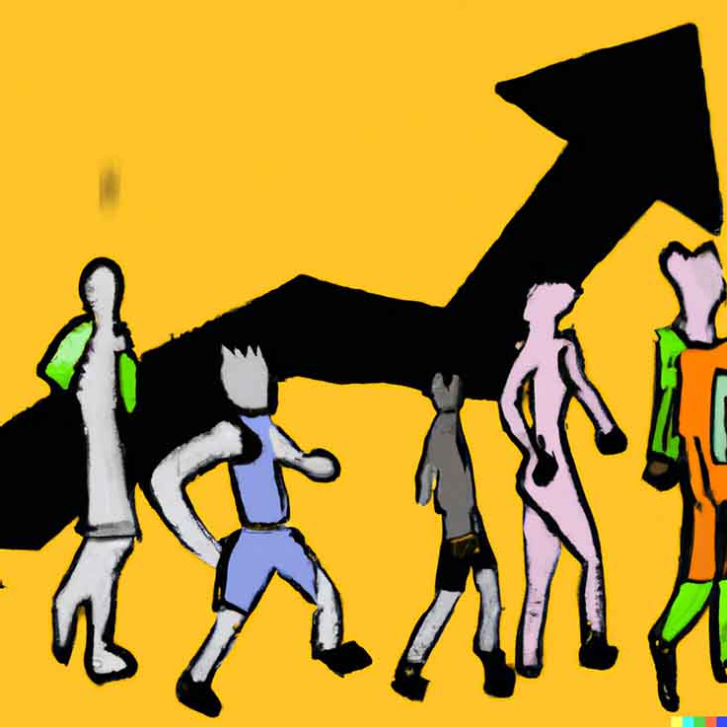
For NGOs, impact comes in different forms and to track the cycles of social change work, we must think across the tangibility and the speed of emergence of change.

With an understanding of these 10 funding models, nonprofit leaders can use the for-profit world's valuable practice of engaging in succinct and clear conversations about long-term financial strategy.

Professionalism has become coded language for white favoritism in workplace practices that more often than not leave behind people of color. This is the fourth of 10 articles in a special series about diversity, equity, and inclusion.