


Philanthropy to Protect US Democracy
In this moment of crisis, donors must use all the tools available to protect American democracy. Tax-deductible philanthropy alone is insufficient.
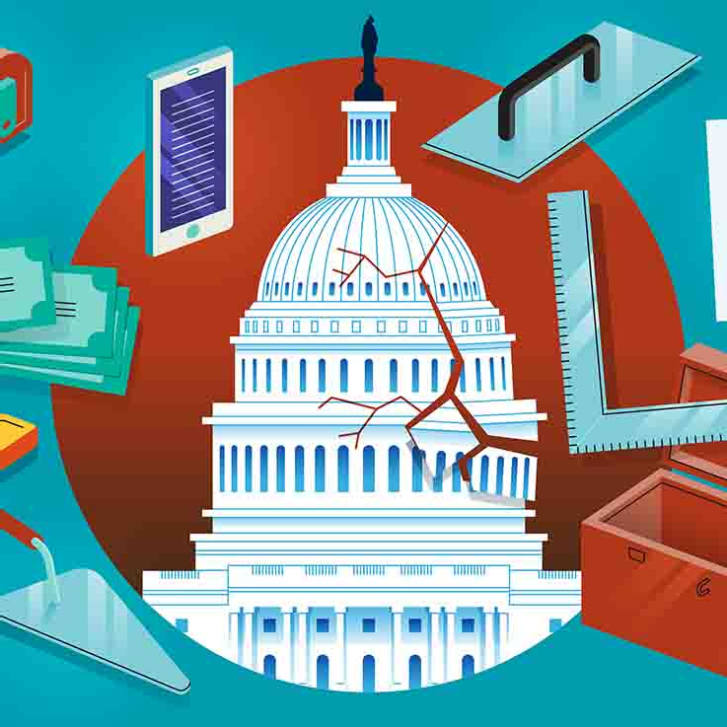
In this moment of crisis, donors must use all the tools available to protect American democracy. Tax-deductible philanthropy alone is insufficient.

Is the future of philanthropy a more collaborative one? The leaders of Funders for Housing and Opportunity share lessons to help the field learn—and evolve—in real time.
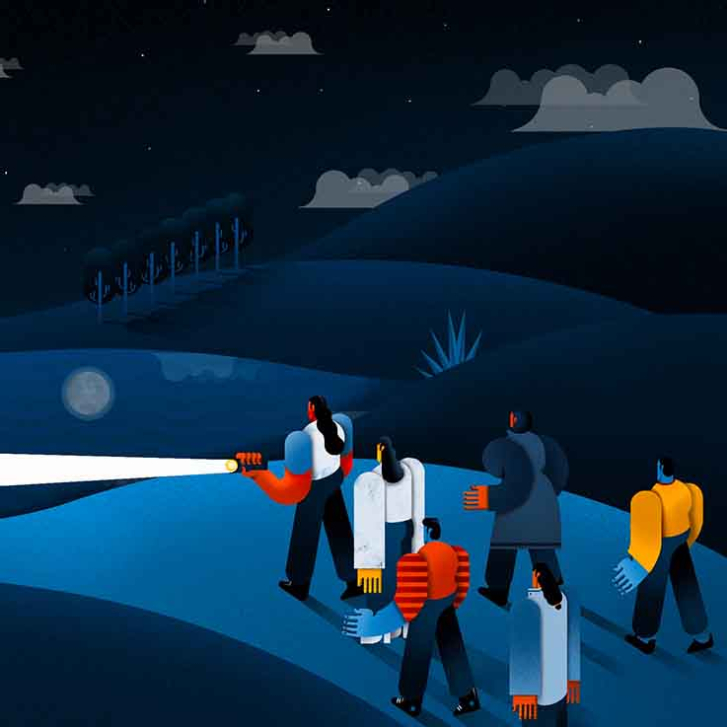
In the context of leadership, separation manifests as leadership by domination—those trying to achieve power over others rather than finding power with others.

As a cross-sector collaboration, ESG means different things to different people, but systems change will require building a shared understanding between diverse stakeholders.
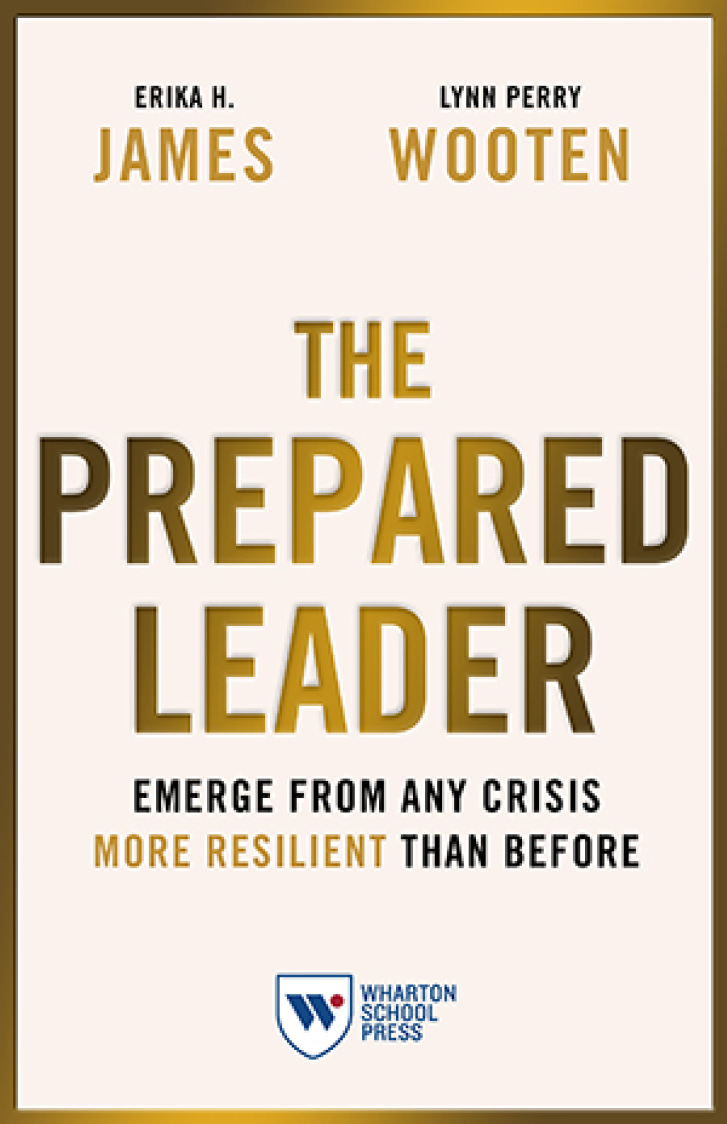
An excerpt from The Prepared Leader on the inevitable next crisis.


Funders are calling for more program evaluation, but nonprofits are often collecting dubious data, at great cost to themselves and ultimately to the people they serve.

Large-scale social change requires broad cross-sector coordination, not the isolated intervention of individual organizations.

For NGOs, impact comes in different forms and to track the cycles of social change work, we must think across the tangibility and the speed of emergence of change.

With an understanding of these 10 funding models, nonprofit leaders can use the for-profit world's valuable practice of engaging in succinct and clear conversations about long-term financial strategy.

Professionalism has become coded language for white favoritism in workplace practices that more often than not leave behind people of color. This is the fourth of 10 articles in a special series about diversity, equity, and inclusion.