

Building the Field of Sustainable Development
To grow the workforce that will advance the United Nations’ Sustainable Development Goals, foundations ought to bring back approaches they relied on decades ago. A Viewpoint from the Winter 2020 issue.
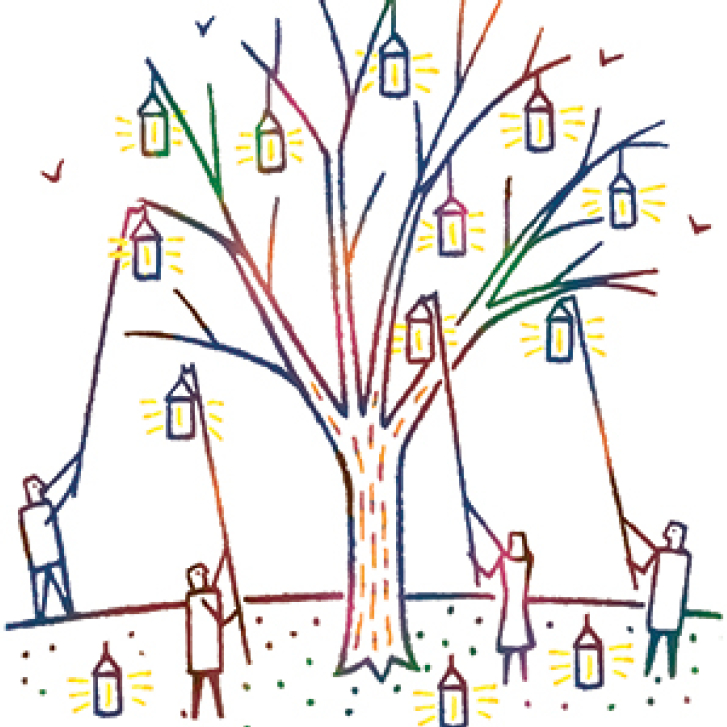
To grow the workforce that will advance the United Nations’ Sustainable Development Goals, foundations ought to bring back approaches they relied on decades ago. A Viewpoint from the Winter 2020 issue.

Powerful organization, rather than efficient mobilization, is the way to re-center people in our political life. Part of the Winter 2020 issue's Realizing Democracy supplement funded by the Ford Foundation.
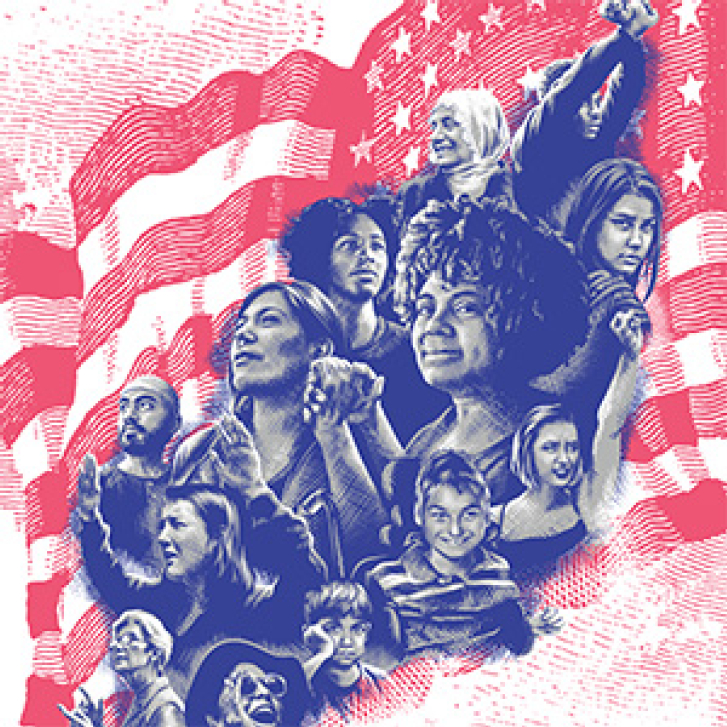
Recent research documents only a weak electoral connection between state legislators and their voters. It's time to break the cycle and restore political power to ordinary citizens over entrenched minorities. Part of the Winter 2020 issue's Realizing Democracy supplement funded by the Ford Foundation.

Community organizations nationwide are pushing prosecutors to embrace a new criminal justice reform agenda and collaborating with attorneys general to protect working people. Part of the Winter 2020 issue's Realizing Democracy supplement funded by the Ford Foundation.

A new research paper reconstructs how an international children’s rights organization worked in Indonesia to disrupt child marriage, a guarded institution in the country. Research from the Winter 2020 issue.


Funders are calling for more program evaluation, but nonprofits are often collecting dubious data, at great cost to themselves and ultimately to the people they serve.

Large-scale social change requires broad cross-sector coordination, not the isolated intervention of individual organizations.

For NGOs, impact comes in different forms and to track the cycles of social change work, we must think across the tangibility and the speed of emergence of change.

With an understanding of these 10 funding models, nonprofit leaders can use the for-profit world's valuable practice of engaging in succinct and clear conversations about long-term financial strategy.

Professionalism has become coded language for white favoritism in workplace practices that more often than not leave behind people of color. This is the fourth of 10 articles in a special series about diversity, equity, and inclusion.