


What Strong Organizations Know About DEI
Diversity, equity, and inclusion are much more than a passing fad. They are a framework for engaging an organization’s full strength.
Diversity, equity, and inclusion are much more than a passing fad. They are a framework for engaging an organization’s full strength.

The next step in impact investing is the Delaware statutory public benefit limited partnership, which provides clarity of definition, assuages fears of greenwashing, and harmonizes manager incentives with public good.

Design thinking has failed to deliver on its promise to solve the world’s thorniest social challenges. Adopting a critical design stance can help designers serve communities, rather than their own methodology.

Nearly two decades after our founding, the Chorus Foundation and our allies take stock on what we have learned about philanthropy, power, and creating a better world.
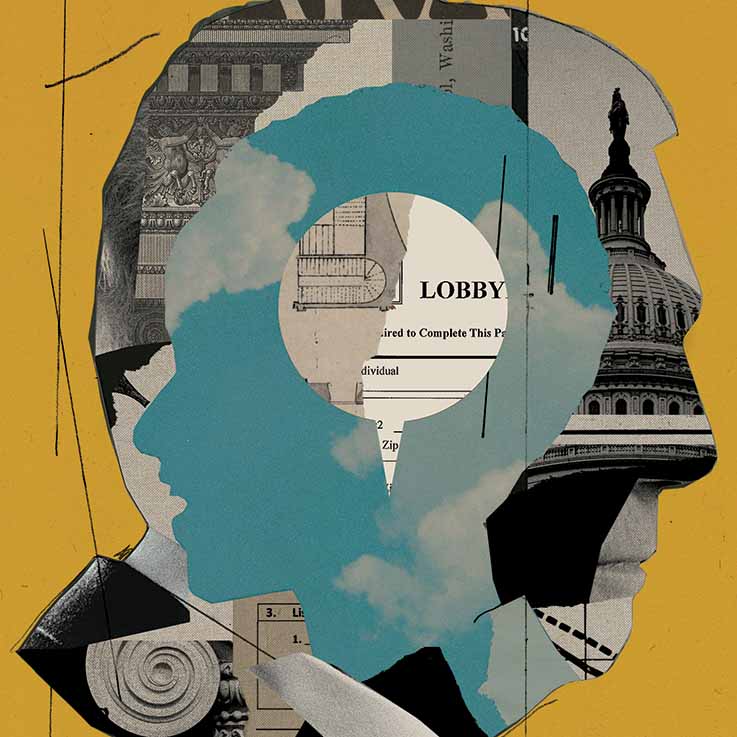
Too many nonprofits and foundations reject lobbying as dubious. But a new movement is reclaiming this practice as essential for promoting social change.


Funders are calling for more program evaluation, but nonprofits are often collecting dubious data, at great cost to themselves and ultimately to the people they serve.

Large-scale social change requires broad cross-sector coordination, not the isolated intervention of individual organizations.

For NGOs, impact comes in different forms and to track the cycles of social change work, we must think across the tangibility and the speed of emergence of change.

With an understanding of these 10 funding models, nonprofit leaders can use the for-profit world's valuable practice of engaging in succinct and clear conversations about long-term financial strategy.

Professionalism has become coded language for white favoritism in workplace practices that more often than not leave behind people of color. This is the fourth of 10 articles in a special series about diversity, equity, and inclusion.