


Invest in Fundraising to End Foundation Dependency
In this funding crisis, we need to play the long game and build independent capacity for the long term.

In this funding crisis, we need to play the long game and build independent capacity for the long term.

With impact investment assets under management approaching $1.6 trillion, the industry needs to build better analytical methods to make the most of every penny. A new approach from the Global Impact Investing Network may show a way forward, but the need remains for more, better, and more widely shared data.

How and why funders must move beyond traditional giving

An ecosystem approach to investing in and supporting mutualist enterprises—from the ground up.

An interview with two collaborative fund leaders about what differentiates Africa’s collaborative funding movement from other regions, and what other funders can learn from their focus on funding organizations close to the communities they are trying to help.
What do nonprofit advocacy efforts look like, and how can donors support advocacy work on social issues they care about? Kenneth G. Hodder, former national commander of the Salvation Army, and Debby Bielak, a partner at the Bridgespan Group, join DAFgiving360’s Fred Kaynor and SSIR editor Barbara Wheeler-Bride to discuss how elections impact charitable giving and how nonprofits can tap into the energy of the political environment to fund their mission. A sponsored podcast developed with the support of DAFgiving360
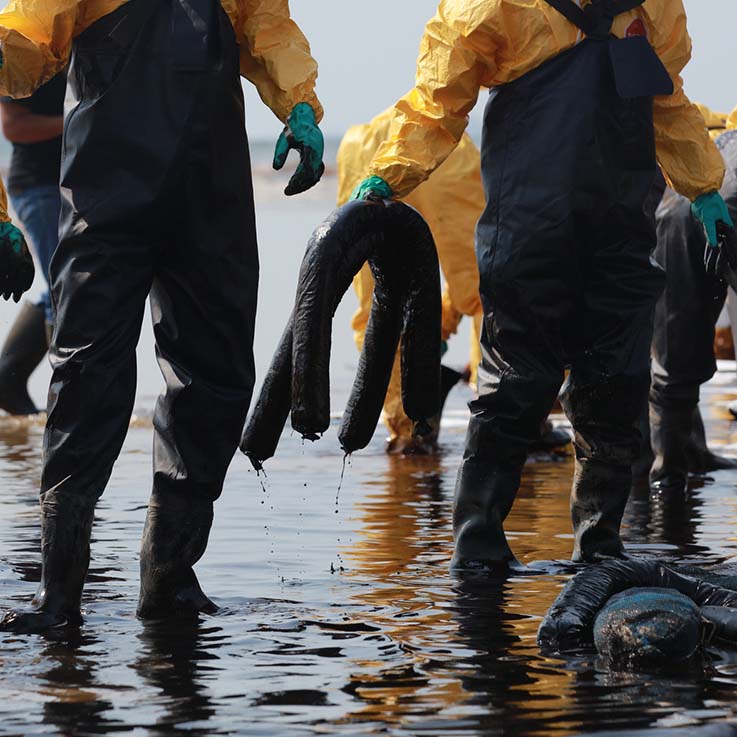
How communities across the globe are using technology to break the oil and gas monopoly on information

Systemic investing requires embedding investments in their context.

Growth can be a long and resource-intensive journey, but the social sector’s interconnectedness means that an aligned partner has probably already built what you need (or vice versa).

These four learnings showcase the strengths of collaboratives—and can help others increase the odds of successful government partnerships.