


When the System Is at Risk, Cocreate to Win
The Six New Rules of Business offers a path forward for business leaders who aim to do good in the world.
Innovative ways to enhance corporate social responsibility (more)
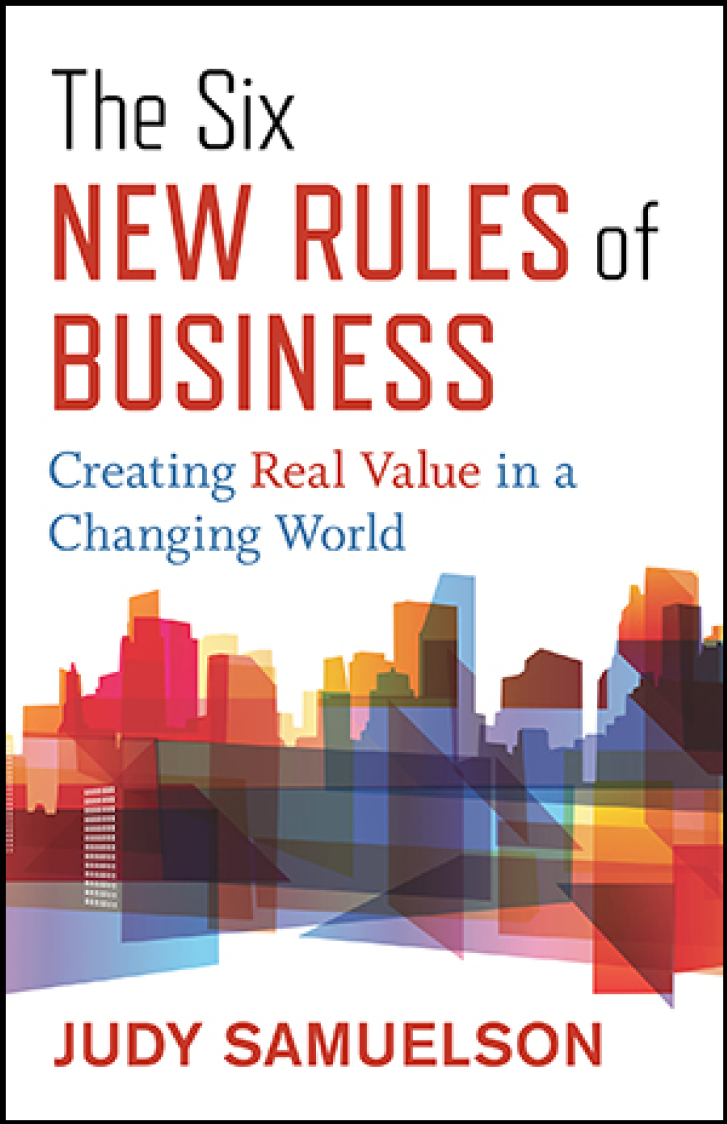
The Six New Rules of Business offers a path forward for business leaders who aim to do good in the world.

After pro-Trump supporters stormed the US Capitol, how will the United States address many of the issues that underlie the chaos, particularly extreme polarization? This roundup of articles explores ways to take on the unprecedented divides in America.

By focusing on three principles—shared goals, open acknowledgement of differing incentives, and the reduction of hierarchy and centralized strategy—organizations can build stronger partnerships, with an emphasis on action.

How governments can partner with philanthropy, nonprofits, and businesses to magnify their social impact over the next four years.

The coronavirus pandemic has shown how digital tools can foster online engagement that leads to real benefits for working people.

For the past 30 years, celebrated academics and business leaders have promoted the idea that companies often profit by addressing social and environmental problems. Although these proposals have been hailed as promising breakthroughs, they are unscientific and counterproductive.

Employees increasingly want their employers to become more responsible corporate citizens. Here is a playbook for how employees can be effective change agents and how leaders can respond to employee activism.
Open-access to this article made possible by The Pennsylvania State University and The University of Washington.

With the goal of reducing pollution, Amsterdam-based Fashion for Good created the Good Fashion Fund (GFF), the first investment fund focused exclusively on encouraging collaborations between fashion and technology.

Companies use charitable giving to disguise political lobbying.

Racial inequality exacerbates the oppressive scheduling faced by service sector workers.