


At the Intersection
Two excerpts from the edited collection, The Intersector, on building public trust through cross-sector collaboration between the public, nonprofit, and private sectors.
Innovative ways organizations can work together to increase their overall reach and efficacy (more)
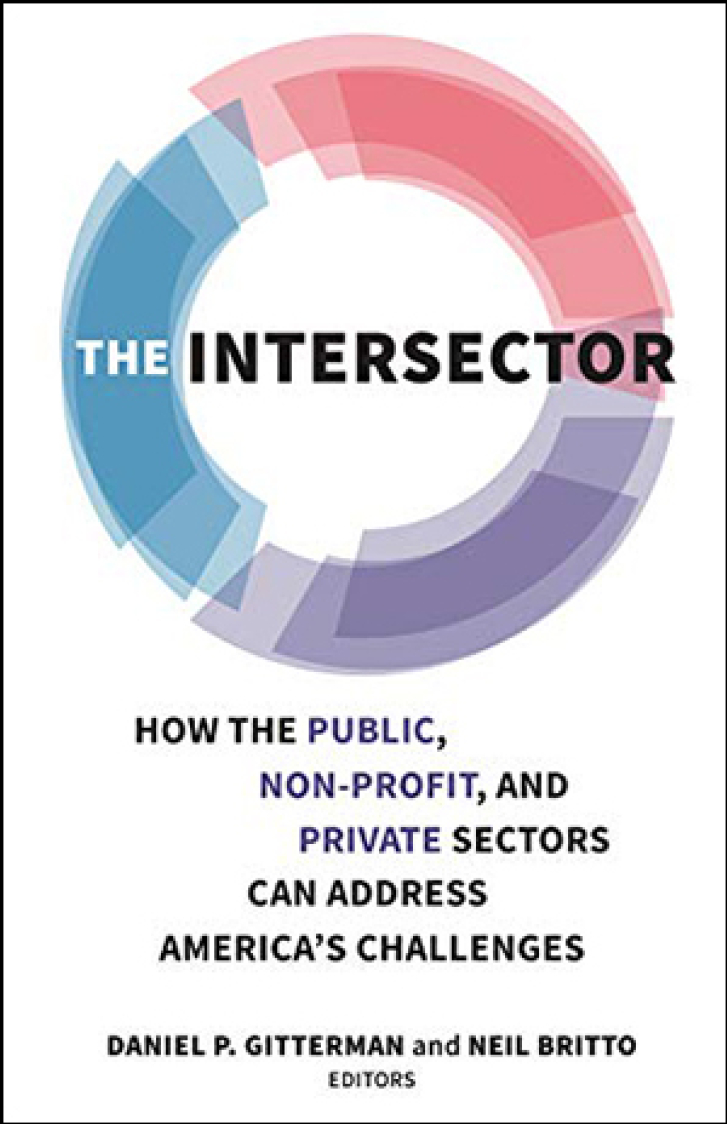
Two excerpts from the edited collection, The Intersector, on building public trust through cross-sector collaboration between the public, nonprofit, and private sectors.

Developing active listening techniques is essential to creating understanding and the authentic relationships necessary for social change.

A decade of applying the collective impact approach to address social problems has taught us that equity is central to the work.

A new generation of scientists and community activists is committed to making science more democratic and equitable.

Funders must abandon top-down, one-sided funding approaches in favor of partnerships with the disability community.

Civic science platform ISeeChange mobilizes communities to take action on climate change.

Governments, academia, civil society, philanthropists, and the private sector must jointly take five priority actions to stop the global spread of disease.
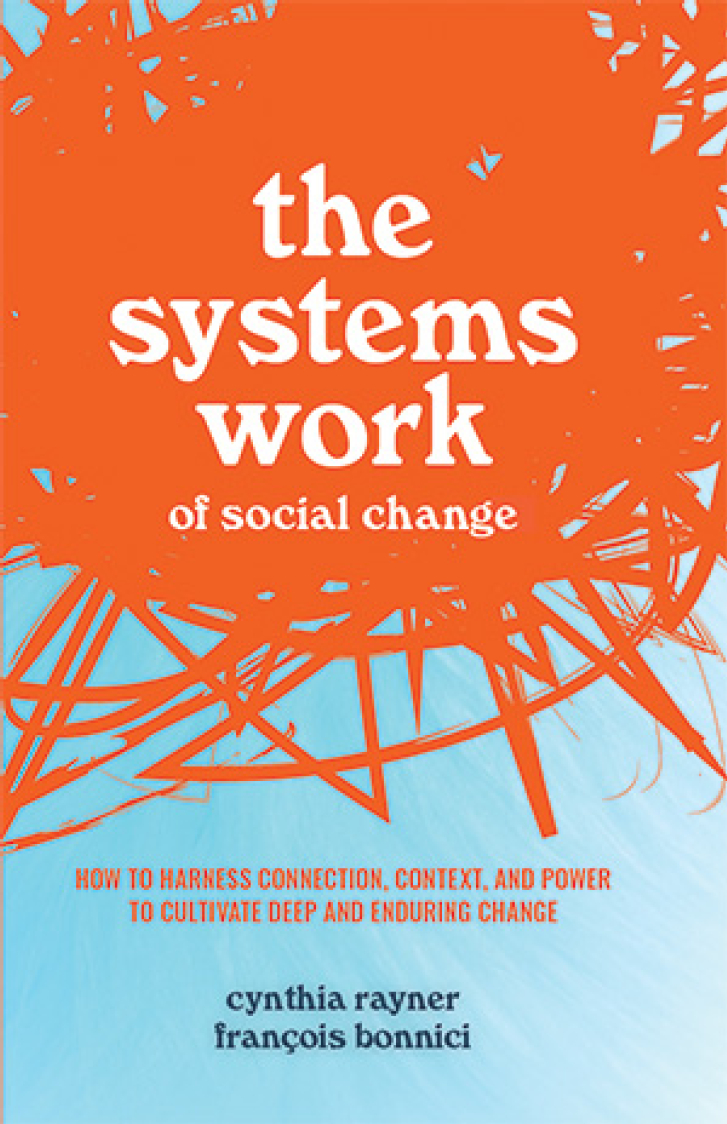
Cynthia Rayner and François Bonnici recommend that organizations seeking systems change focus less on outcomes and more on principles and practice.

Authors of a seminal article on collective impact explore what it means to put equity at the center of the practice and how that changes the collective impact process itself.

By combining a business ecosystem approach with collective impact, a South Korean initiative is battling late-life poverty and putting valuable professional knowledge back to work.