

How Philanthropy Must Address the Climate Emergency
Breaking down silos means starting from intersectionality and emphasizing climate justice.
Innovations in environmental protection and conserving natural resources (more)

Breaking down silos means starting from intersectionality and emphasizing climate justice.

A look back from 2030 reveals how ambitious industrial policies, high-quality data, and courageous leadership saved us from an affliction worse than COVID-19. Part of a series on civil society's response to the pandemic.

To meet the magnitude of this moment we must work collaboratively in ways that promote decentralization over top-down hierarchies, relationships over transactions, and emergence over control.
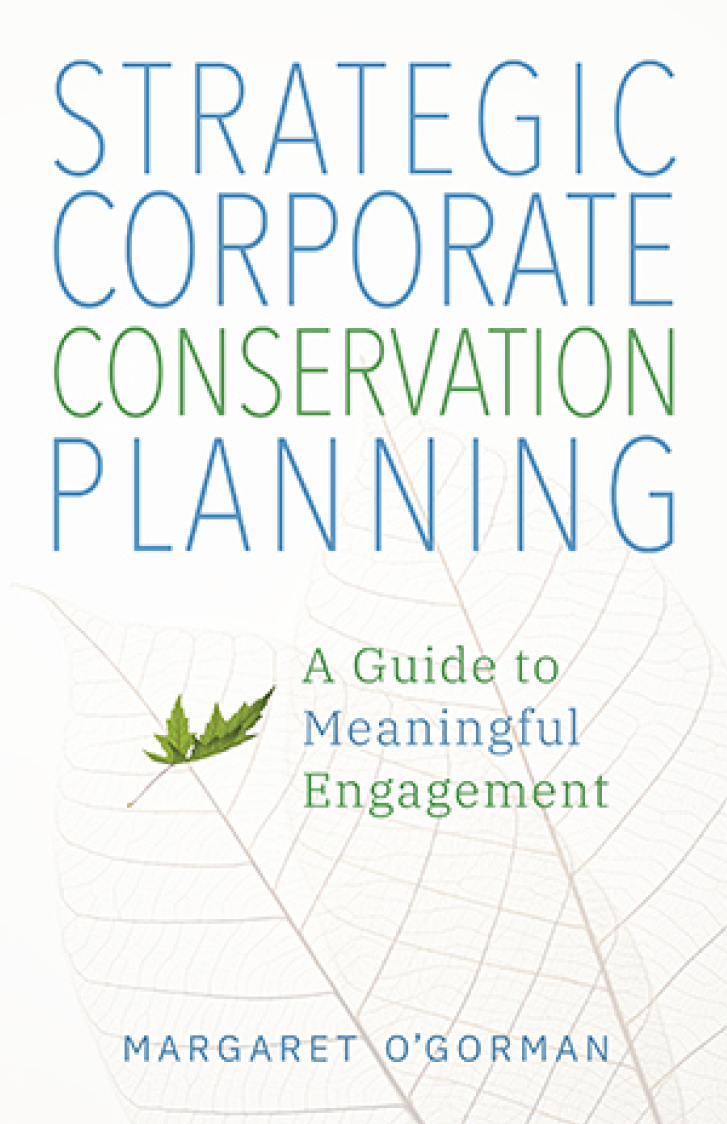
An excerpt from Strategic Corporate Conservation Planning details the efforts of companies, governments, and communities to remediate polluted lands.

Using artificial intelligence to predict behavior can lead to devastating policy mistakes. Health and development programs must learn to apply causal models that better explain why people behave the way they do to help identify the most effective levers for change.

Over the last 30 years, half of all coral reefs have died, threatening marine species and people's livelihoods. To reverse this trend, Coral Vita uses a pioneering technique to grow coral in land-based farms up to 50 times faster than they grow naturally. A What's Next article from the Summer 2020 issue.

Eco-roads made from plastic promise a viable solution for waste management and the reduction of crude oil use. A What's Next article from the Summer 2020 issue.
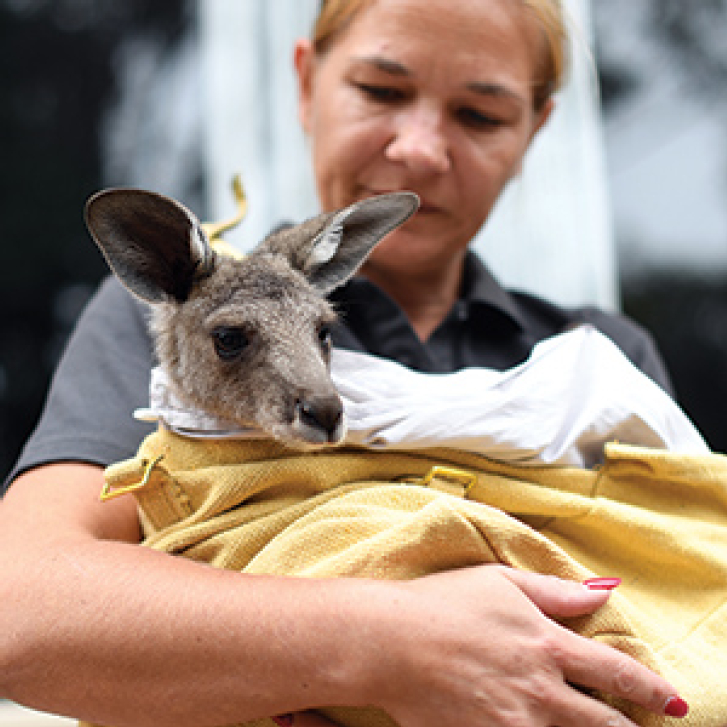
Donors and volunteers alike understand that humans are not the only refugees from the growing climate crisis. The Last Look from the Summer 2020 issue.
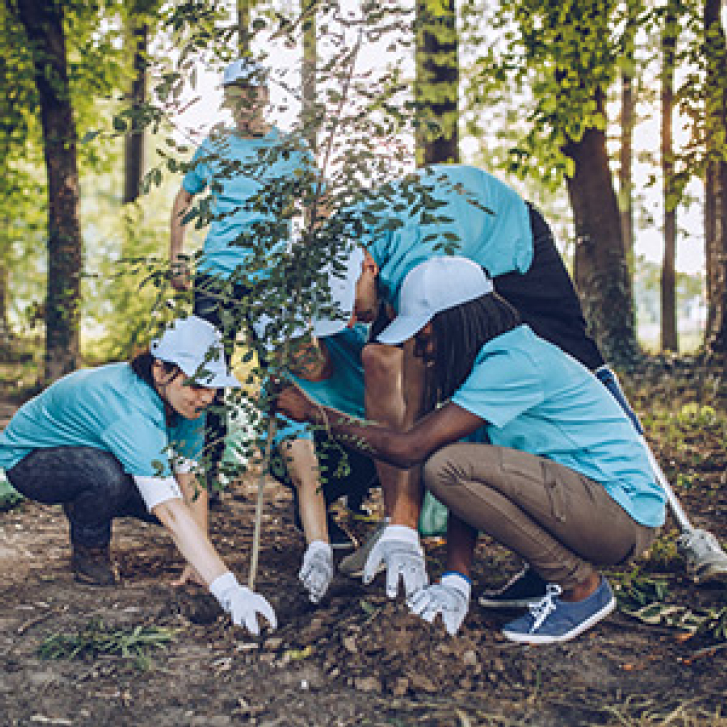
Because government action will always be dependent on public support, leading conservation organizations must focus on building a constituency for nature.

How corporate leaders can strike a balance between business success and genuine social impact that also inspires others to act.