


The Power of Multigenerational Teams in the Social Sector
How second careers for older adults can help nonprofit workplaces age-integrate and benefit from multigenerational mentoring.
Innovative ways to develop strong leadership capabilities (more)
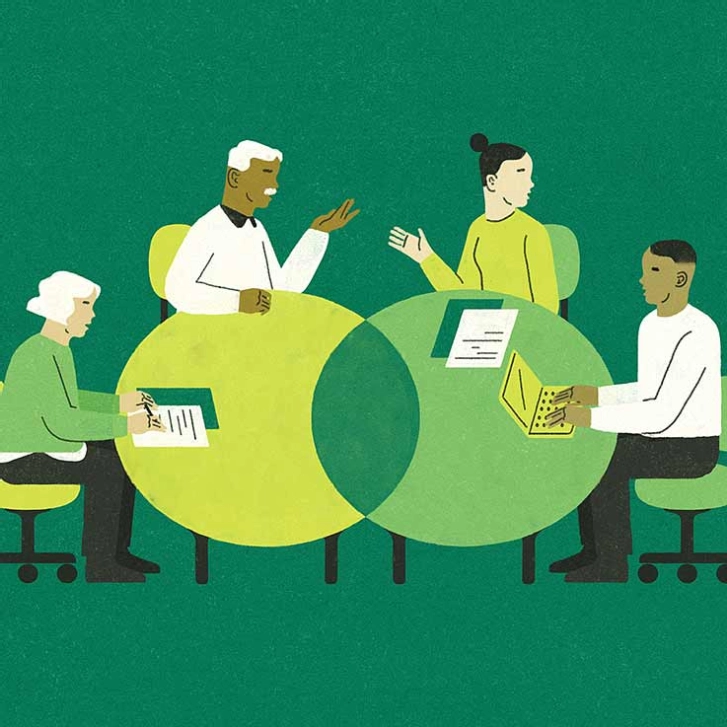
How second careers for older adults can help nonprofit workplaces age-integrate and benefit from multigenerational mentoring.
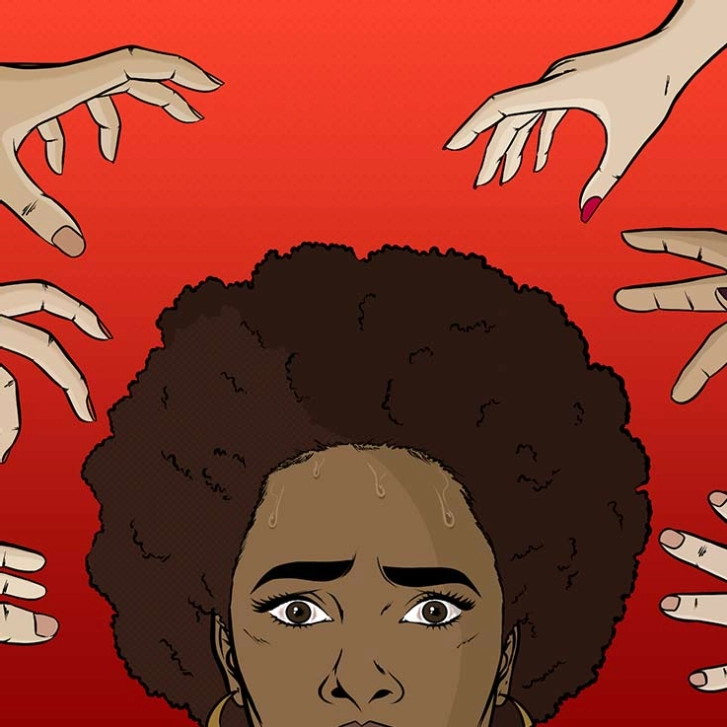
A new framework identifies racial harms and other forms of discrimination in order to create work environments where everyone feels they belong. Part of an in-depth series that explains how racism operates within organizations.

A new book argues that “alien” thinking can drive social change.

Thirteen ideas to keep boards effective and cohesive in a remote environment.

In the face of increasingly pressing systemic inequities, nonprofit boards must change the traditional ways they have worked and instead prioritize an organization's purpose, show respect for the ecosystem in which they operate, commit to equity, and recognize that power must be authorized by the people they're aiming to help.

An incredibly challenging year has highlighted for nonprofits the value of authentically putting organizational egos aside, collaborating more deeply, and honestly considering mergers—and those practices need to continue.

Decolonize Design offers an alternative framework grounded in belonging, dignity, and justice that seeks to abolish assimilation and promotes taking responsibility to challenge and confront racism and anti-Blackness head-on.

At the forefront of the effort to raise awareness about Africa’s climate plight is Vanessa Nakate, a 24-year-old Ugandan social media activist.

Selfless behavior of key individuals is critical to the development of local institutions for self-governance.

In The Privatized State, Chiara Cordelli explains how the US government divested itself of its duties and offers solutions for rebuilding the republic.