A Surprise Benefit of Corporate Service
When Timberland began inviting its partners to join volunteer service days, the result was both good for local communities and good for business.
Innovative ways to develop strong leadership capabilities (more)
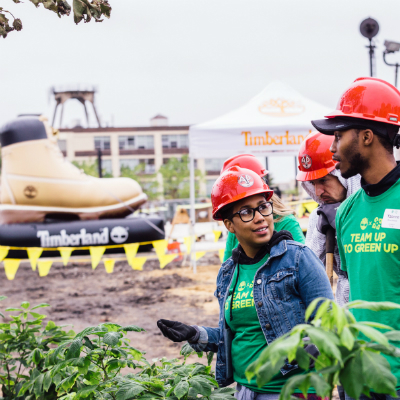
When Timberland began inviting its partners to join volunteer service days, the result was both good for local communities and good for business.

A reading list to help your organization look inward and examine how to better foster a culture where employees are empowered to thrive, collaborate, and innovate for maximum social impact.

Five years ago, Bill Drayton described the emergence of a new organizational model for the social sector. Recent research highlights its promise.
The road to social change begins with personal connection and human emotion, Leslie Crutchfield writes in How Change Happens.
A starting point for social sector leaders to develop their organizations’ innovation capacity.
Notes on building capacity during a time of disruption.
Social sector organizations must consider whether their internal operating system is serving them, their clients, and their pursuit of social impact.
To curb rising inequality, global leaders must work together to stop the flow of illicit wealth and mitigate tax avoidance.

Nonprofits benefit when they carefully plan an extended role for founders who step down. Open access to this article is made possible by The Bridgespan Group.

Rethinking board sizes, term limits, and fundraising requirements may help unlock greater strategic insight and value from your board.