


Reimagining the Role of Business in Protecting Biodiversity
Hundreds of companies have pledged to follow new reporting recommendations from the international Taskforce on Nature-Related Financial Disclosures. Is it enough to make a difference?
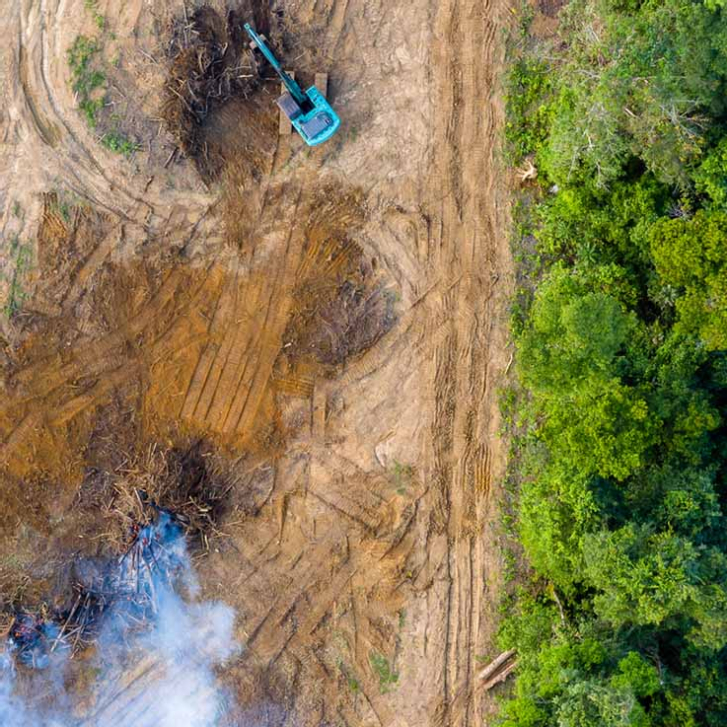
Hundreds of companies have pledged to follow new reporting recommendations from the international Taskforce on Nature-Related Financial Disclosures. Is it enough to make a difference?

Why building capacity for design into mental health policymaking will produce more effective services.

The core practices that define a trust-based approach can, through multiple pathways, lead to both increased resource efficiency and outsized impact.
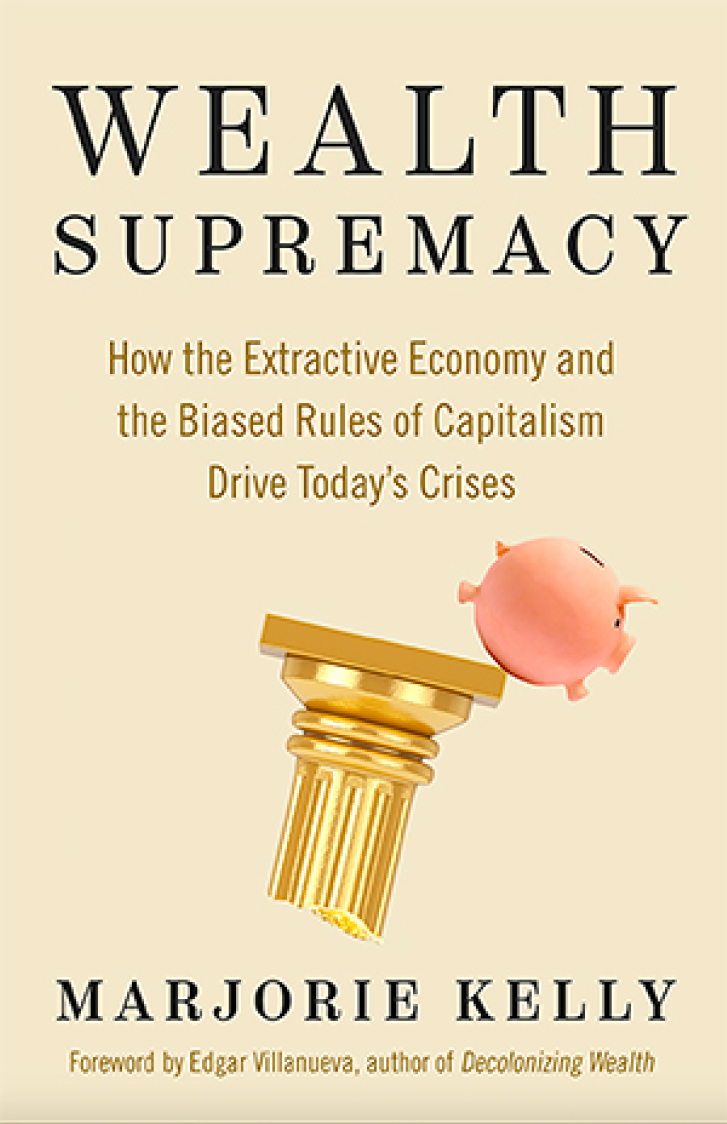
An excerpt from Wealth Supremacy on building an economy for all of us

Diverse teams get better results, but it takes skill and thoughtfulness to make the most of diverse experience at a board table.

From crush to marriage, the spectrum of relationships between nonprofits and governments

Because of problems created by the incentive structure for carbon offsets as a mode of climate mitigation, companies should switch to a “contributions” framing to preserve a crucial flow of climate investment.

Understanding the historical roots of many foundation endowments is a critical step in considering the question of philanthropic reparations.

What the social innovation community needs to understand about Silicon Valley’s current hype cycle.

To reduce global consumption, entirely new value-creation models must be created that can integrate renewable resources into unsustainable industries.