


Moving Beyond Overhead
Charities can find better ways to communicate their spending priorities than a myopic focus on administrative costs displayed in simplistic pie charts.

Charities can find better ways to communicate their spending priorities than a myopic focus on administrative costs displayed in simplistic pie charts.

Employees are more likely to use their employers to engage in activism when the potential for garnering attention is high and the risk low.

Social entrepreneur Sascha Haselmayer argues for slowness as the most effective method for creating lasting social change.
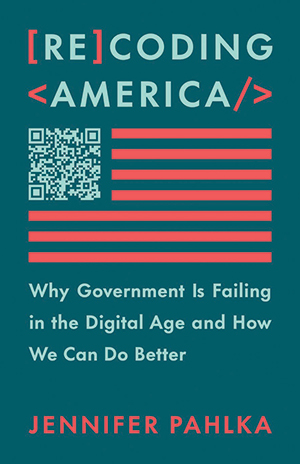
In Recoding America, Barack Obama’s former deputy chief technology officer argues that the success of government policies requires better implementation of digital services for the public.

A collection of standout pieces published online about mental health, impact investing, climate funding, capacity building, and better people and culture practices.

To build shared decision-making, foundations must put aside narrow definitions of rigor and embrace new understandings of accountability.

Though potentially a win-win solution for the developing world’s debtors and creditors alike, debt-for-climate swaps must be well-designed and implemented if they are to be effective.

A strong leader’s assets can sometimes become organizational liabilities. But why? The problem might be within the structure of the organization itself.

We all benefit when our most transformative change agents are given the time and resources necessary to dream big.

An excerpt from Rich White Men on the life-changing impact of inherited privilege