Response: Using Industrial Symbiosis to Address Barriers to Circularity
Collaboration is an essential driver for discovering and scaling innovative approaches that can move the fashion industry toward circularity.
As the fashion industry’s environmental footprint attracts increasingly negative attention, circular business models are promoting opportunities to sustain growth by decoupling revenue streams from resource use.
In this Up for Debate series, Ken Pucker, former Timberland COO, explains the industry’s turn to circularity and the barriers to its adoption, then researchers and experts in the sector respond.
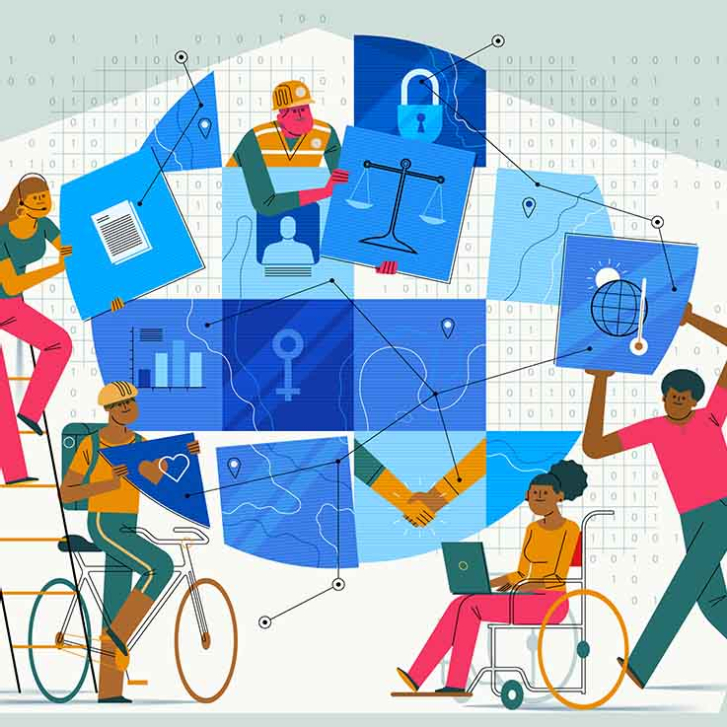
Worldwide SDG efforts are failing. How can businesses do their part to make things right?
Open access to this article is made possible by a research grant from E4S (Enterprise for Society Center)
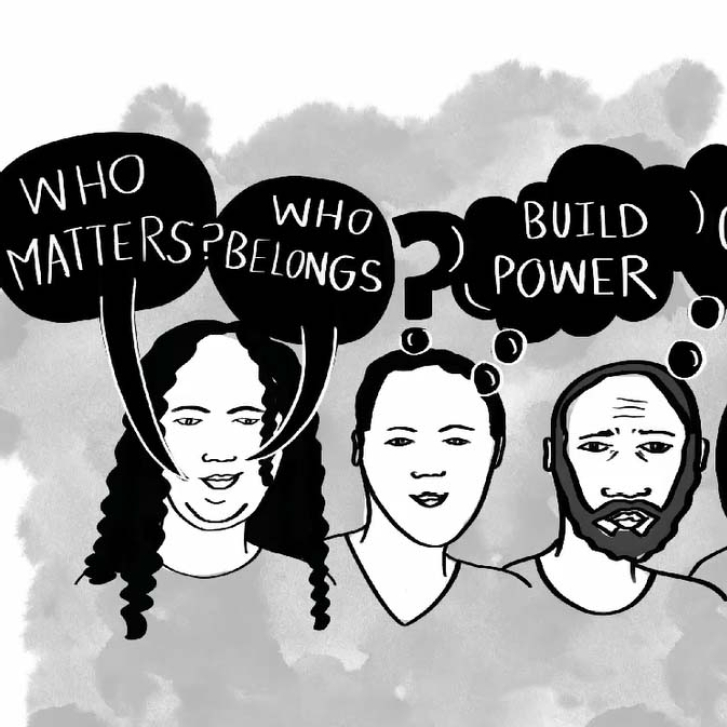
Nonprofits today are expected to go beyond their missions to adopt a wider set of commitments and values. This movement is remaking the sector in surprising ways.
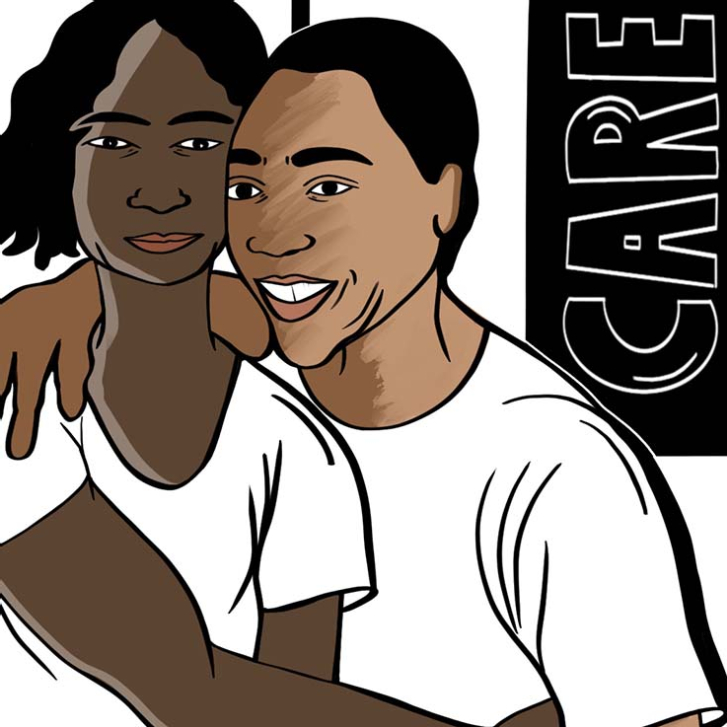
The Minneapolis-based nonprofit QUEERSPACE Collective provides mentorship and community to queer youth at a time when they are facing endless attacks.
DignityMoves’ interim housing provides immediate support to urban homeless populations.
UPenn’s ambitious Eidos initiative marries business innovation with health research to tackle LGBTQ+ health inequities.
OneVillage Partners is transforming the meaning of partnership by shifting from community-led programs to becoming a community-led organization. | Open access to this article is made possible by OneVillage Partners.
First Light Hospitality has developed a scalable social enterprise that provides jobs, life skills, and outdoor fun for young people aging out of the social-services system.
The nonprofit Dar Si Hmad utilizes the ancient technology of fog harvesting to address water scarcity in Morocco.