


Working Toward Financial Inclusion With Blockchain
Four ways blockchain technology is beginning to help people in countries such as Kenya and Argentina build more resilient and prosperous lives through greater access to financial services.

Four ways blockchain technology is beginning to help people in countries such as Kenya and Argentina build more resilient and prosperous lives through greater access to financial services.

For ESG compliance to become more than lip service, corporate leaders say they need activist pressure, government regulation, and a strong business case.
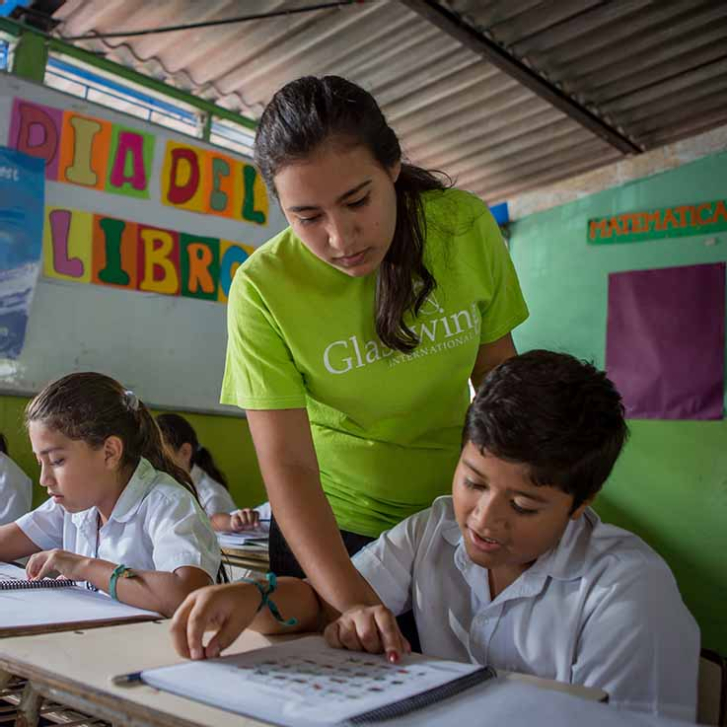
Glasswing International teaches Latin American communities to understand and recover from the impacts of trauma induced by chronic and acute violence.
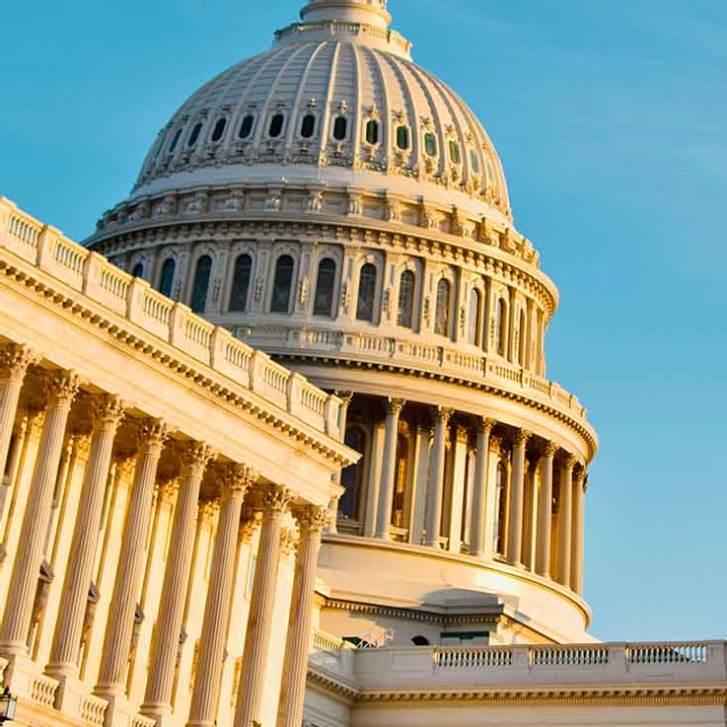
The passage of the Infrastructure Investment and Jobs Act gives those of us in the nonpartisan public policy space reason to be optimistic.
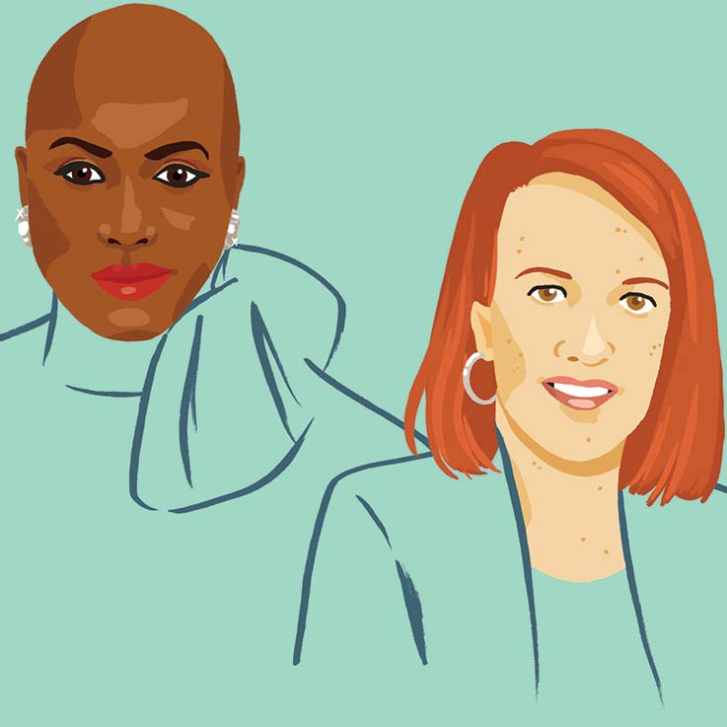
Achieving diversity, equity, and inclusion means putting disability justice in every policy discussion and making it part of the continuing struggle for civil rights.

We face a choice between two models for donating data: one governed by corporations and one determined by grassroots civic action. The winner will decide how much control we have over our digital information.

If philanthropy is to build a more just and equal society, it must combat ableism in its own institutions and practices.
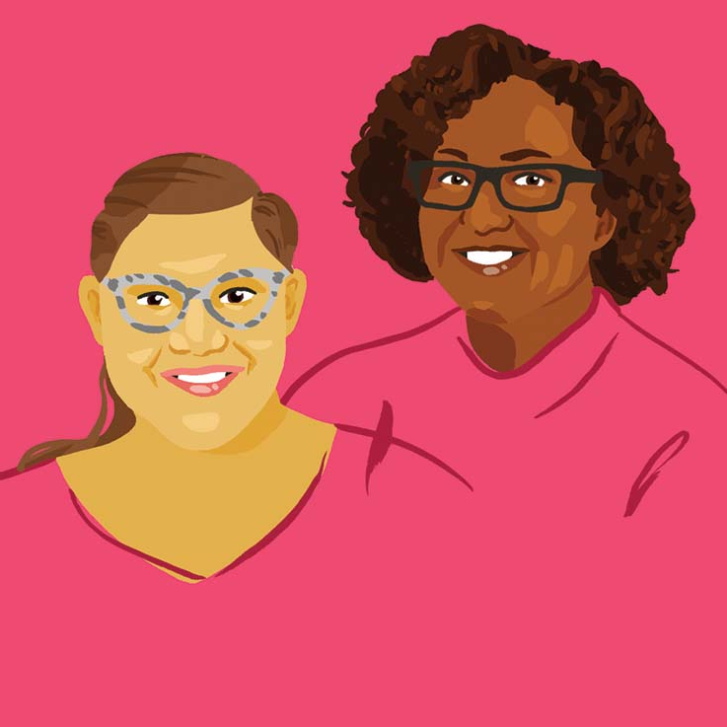
People with disabilities are on the front lines of the climate crisis. Efforts to address the crisis must include them.
The pandemic has demonstrated that disability inclusion in philanthropy is more crucial than ever.

Empowering people with disabilities at work advances social inclusion and is good for business. Digital accessibility is essential to efforts at Microsoft to create opportunities for disabled talent.