


A Voice in Prison
Arts programming in prisons is more than just rehabilitation. It’s radical activism.

Arts programming in prisons is more than just rehabilitation. It’s radical activism.

A study of MacKenzie Scott’s early giving reveals how transformational generous general operating support can be.

Platform thinking pushes social entrepreneurs to leave the role of the problem solver in favor of being an enabler of changemakers who can solve problems locally.

Understanding these six important differences will both facilitate better conversations and help channel funds appropriately.

Two housing justice advocates discuss different approaches to policy change and the importance of centering the voices of people most affected by systemic barriers and inequities in housing.

A platform to streamline philanthropic conversation and sharing opportunities needs to start by building community and rapport, rather than merely technology.

An excerpt from the new edition of Small Loans, Big Dreams on microfinance since the Nobel.

Imagine if nonprofit leaders, philanthropists, and policy makers no longer had to guess what works but could predict success with scientific certainty. Enter the field of impact science.
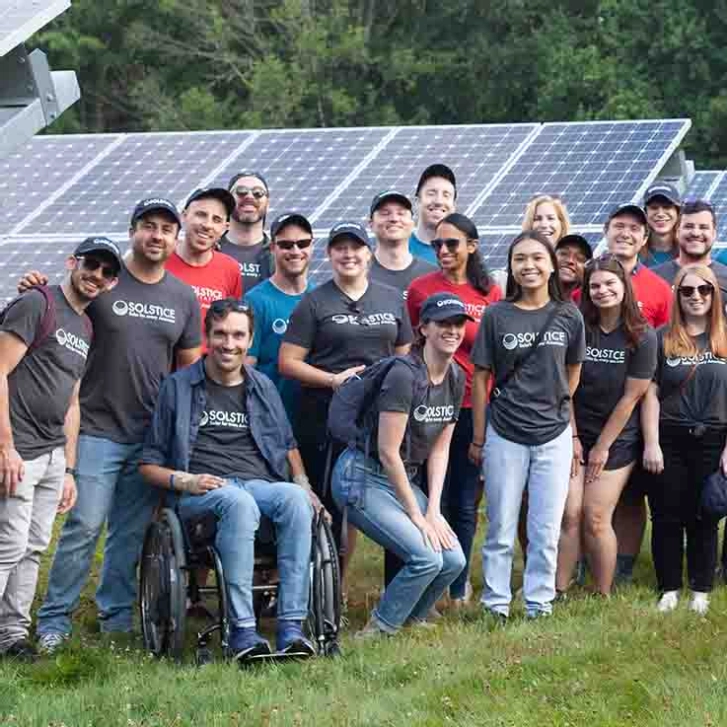
Community-focused entrepreneurs are using innovative business models and technology to make renewable energy and a healthy environment accessible to everyone.

To secure abortion rights, philanthropy must invest in the agency and power of impacted communities.