


Sharing Sugar
In order to foster true collaboration in the social sector, there must be a real exchange of resources between organizations.
Innovative ways organizations can work together to increase their overall reach and efficacy (more)

In order to foster true collaboration in the social sector, there must be a real exchange of resources between organizations.
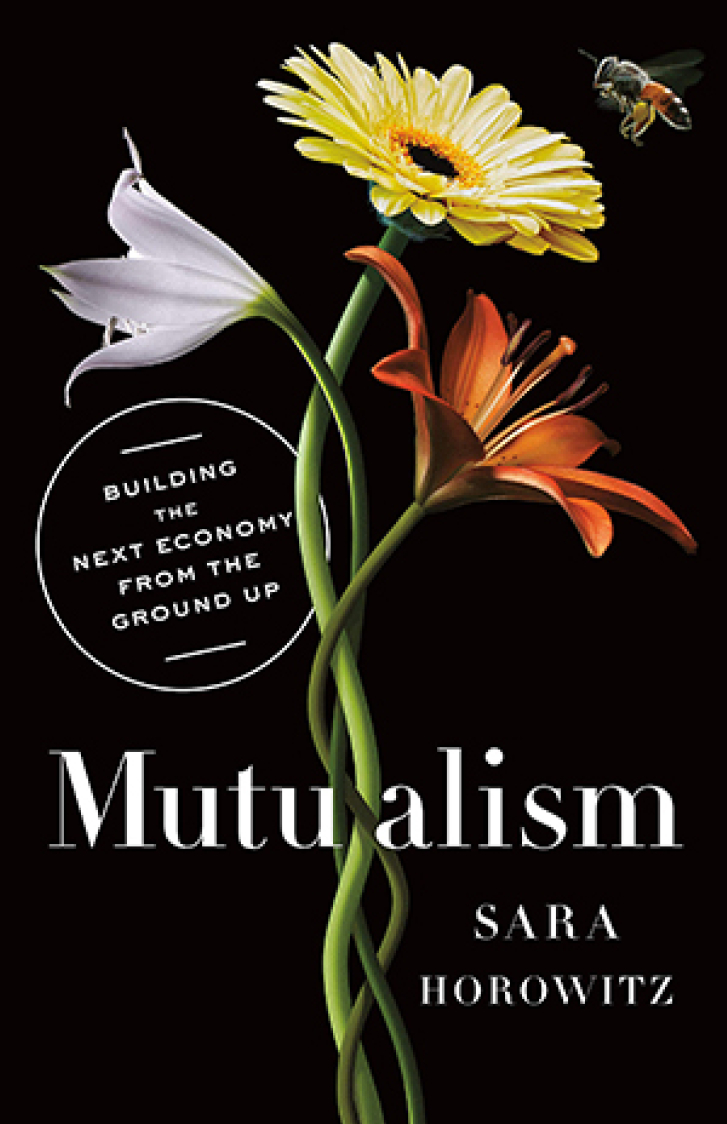
An excerpt from Mutualism on building economic power for the mutualist ecosystem.

To advance equitable social-emotional learning, schools would benefit from increased collaboration with out-of-school program providers.

An excerpt from Changemaker Playbook on empathy-based ethics, co-creative teamwork, and clowns.

Last spring, as the COVID-19 pandemic magnified the United States’ racial and class inequities, Teach for America endeavored to put philanthropic power in younger, more racially diverse hands.

New Constellations works with communities to imagine new and better futures, starting with the renewal of Barrow-in-Furness in Great Britain.

The new public management model of governance has failed. But an emerging collaborative and democratic approach shows promise.

Research does no good if its insights are irrelevant or not applied. Ensuring that evidence influences policy requires developing the right ecosystem and levers for accountability.

The hacktivist collective built a framework to encourage and guide participation without direct oversight.
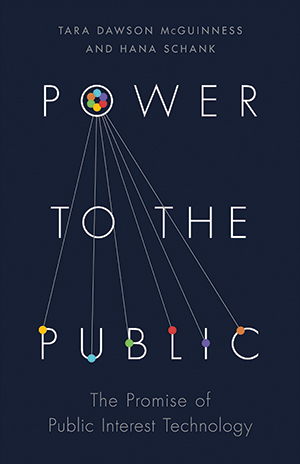
In Power to the Public, Tara Dawson McGuinness and Hana Schank make the case for renovating government and policymaking with 21st-century digital technology.