


Collaborating to Solve Homelessness
Partnerships between nonprofit service providers and government agencies to address homelessness are more effective when the former play a leading role.
Innovative ways organizations can work together to increase their overall reach and efficacy (more)

Partnerships between nonprofit service providers and government agencies to address homelessness are more effective when the former play a leading role.

Nonprofits, governments, and businesses around the world have changed how they operate to overcome the impact of COVID-19. The social sector should continue to build on that creativity in the wake of the pandemic.
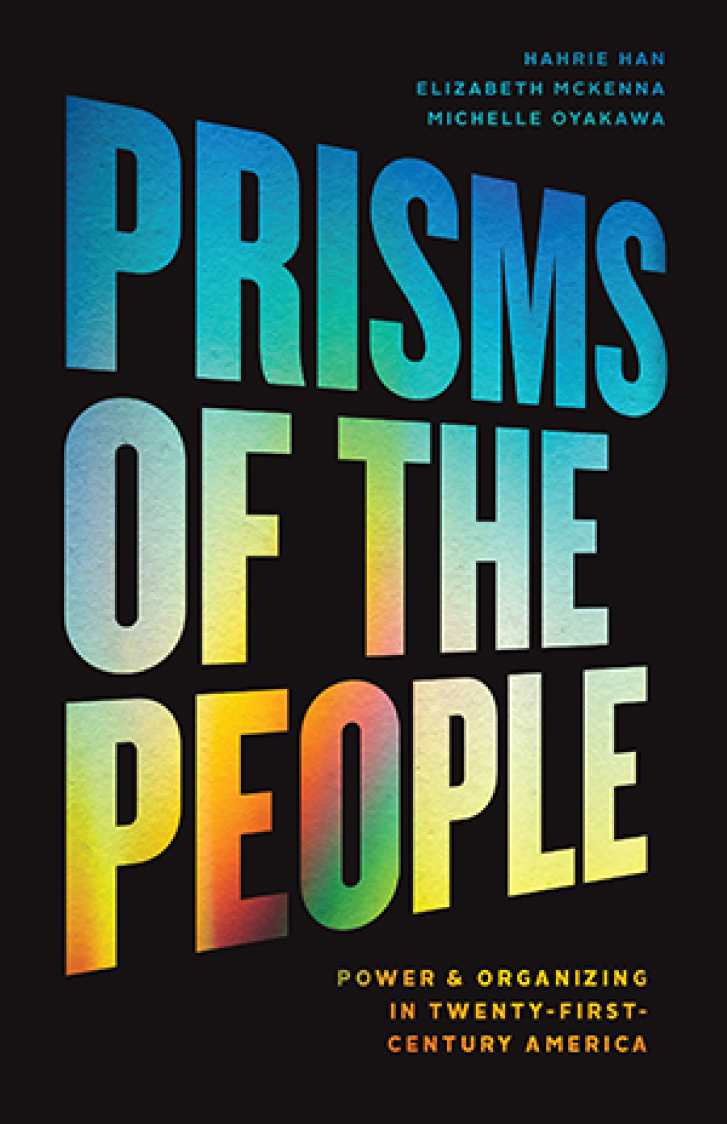
An excerpt from Prisms of the People on how collective action generates real, durable power.

Cash transfer programs often struggle to reach those most in need. An investigation of four programs across Brazil, Ethiopia, Jordan, and Palestine revealed five features that lead to success.

Strategies like embracing urgency and putting egos aside are vital in a crisis. They might improve our day-to-day work as well.

Understanding how network members interact with each other is crucial to advancing their common aims.

New public awareness of how the traditional financial system fails small businesses creates an opportunity to build models that connect entrepreneurs with the capital they need to recover, grow, and thrive—and that drive a more equitable and inclusive economy.

This article offers nine strategies to liberate board culture and provides a tool that boards may use to reflect on their own behavior and strengthen their culture.

Implementation science has not advanced equitable outcomes routinely, explicitly, or intentionally. Here’s how it can.

The old K-12 education reform coalition is now defunct. Philanthropists, educators, and other stakeholders must create a new reform coalition that reimagines student achievement in terms of opportunity.